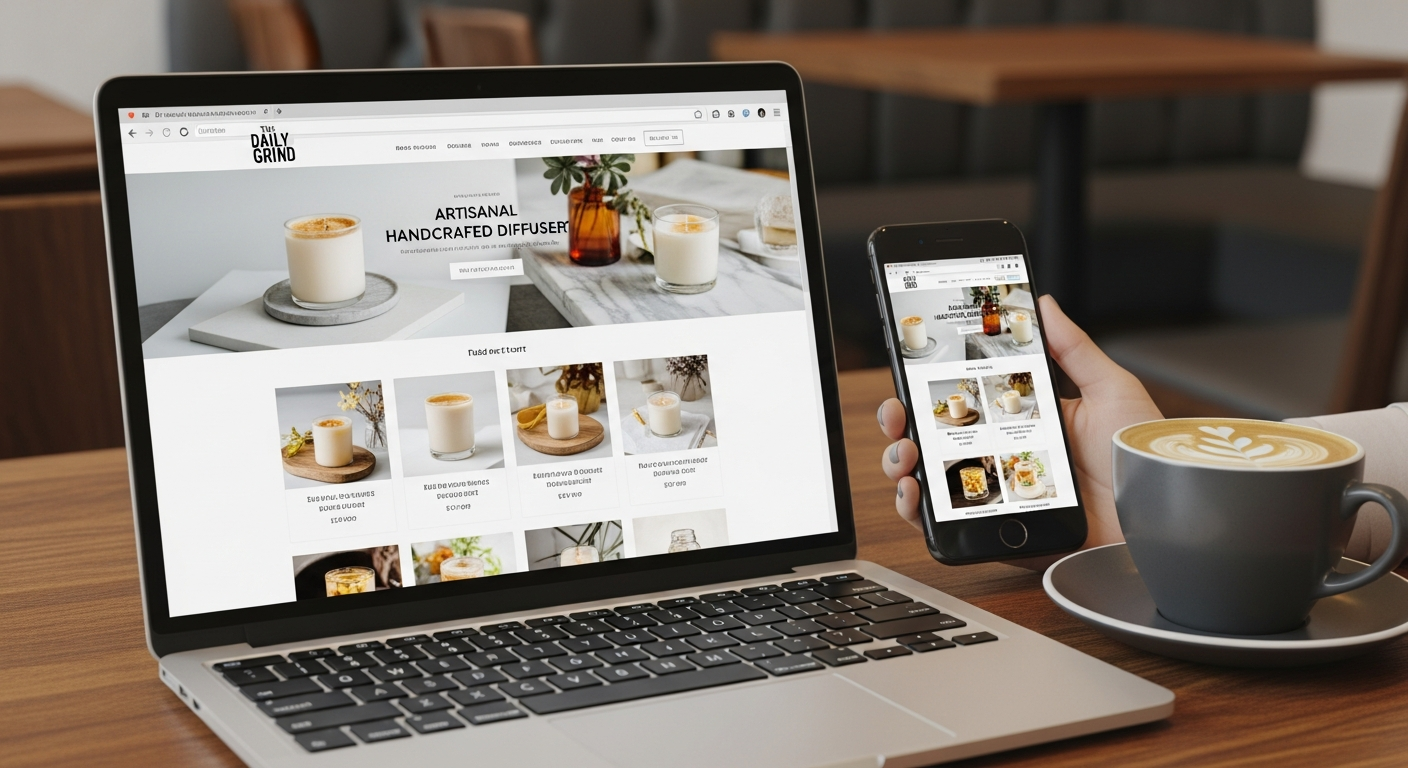
website design sites
How to choose the right website platform and use it to boost SEO, leads and local visibility
This guide walks small business owners through selecting the best website design site for their needs, how to set it up for search engines, speed and conversions — and practical maintenance tips that save time and money.
How to choose the right website design site
Choosing a platform is the first strategic decision for your online presence. The right choice depends on your goals, budget, technical skill and how often you'll change content. Below is a practical, step-by-step decision process.
Decision checklist (use this)
- Goal: Lead generation, online bookings, ecommerce or portfolio?
- Time: How quickly do you need results? (hours vs weeks)
- Updates: Who will update content— you or someone else?
- Budget: Upfront vs predictable monthly cost
- SEO needs: Local search, service pages, blog?
If you have limited time
Choose a managed subscription or a service that builds the site for you and includes updates. You avoid the learning curve and get immediate SEO optimisation.
If you want full control
Choose flexible builders (WordPress + page builder, Webflow) if you or a contractor need advanced customisation. Accept longer setup time and maintenance responsibility.
If you sell online
For serious ecommerce, Shopify or WooCommerce (on WordPress) handle payments and inventory. For simple product catalogs, many subscription builders include checkout features.
If budget is tight
Consider subscription-based services—low upfront cost and hosting included—so you don't get hit with surprise fees for hosting, SSL, backups and updates.
Platform types — pros and cons
Below are common platform types with realistic expectations for small business owners.
| Type | Best for | Pros | Cons |
|---|---|---|---|
| All-in-one builders (Wix, Squarespace) | Simple brochure sites, beginners | Easy drag & drop, hosting included, templates | Limited flexibility, longer-term costs can add up |
| Managed subscriptions (Congero style) | Busy trades & service businesses | Fast launch, unlimited updates, local SEO included | Monthly fee (but predictable) |
| WordPress (self-hosted) | Content-heavy sites, blogs, custom features | Highly flexible, huge plugin ecosystem | Maintenance, security and updates required |
| Shopify / Ecommerce platforms | Online stores of all sizes | Payments, inventory, checkout flows built-in | Fees per transaction, app costs can add up |
| Webflow / designer tools | Design-led businesses needing custom interactions | Pixel-perfect control, modern output | Steeper learning curve, more expensive plans |
Quick recommendation
If you value speed, predictable costs and local search results, a managed subscription that includes domain, hosting, SSL and unlimited small updates is often the best fit for small trades and services. If you need deep customisation and own every piece of the stack, choose WordPress or Webflow and plan for ongoing maintenance.
Actionable SEO tips for website design sites
SEO isn't magic — it's repeatable work. Implement these practical actions on any platform.
1. Start with keyword intent — map pages to user searches
List the top services you offer and match each to a keyword intent. Example: "emergency plumber Sydney" (local, transactional), "how to fix leaking tap" (informational).
2. On-page SEO basics (do these now)
- Unique page title (60–65 chars) with primary keyword near the front.
- Meta description (120–160 chars) that sells benefits and includes keyword.
- One H1 per page (descriptive, includes keyword).
- Use H2/H3 for sections; include keywords naturally.
- Internal links: link from homepage to service pages and between related pages.
3. Local SEO — be found near your customers
Local search drives most service enquiries. Do these concrete tasks:
- Claim & verify your Google Business Profile; keep hours, phone and categories accurate.
- Embed a Google Map and ensure NAP (Name, Address, Phone) appears in footer and Contact page.
- Collect reviews and respond promptly — reviews are a ranking signal and conversion booster.
- Build citations on local directories (Yellow Pages, TrueLocal, local chamber sites).
4. Technical SEO — speed, schema and sitemaps
- Site speed: target under 2.5s mobile. Compress images, use lazy-loading and a CDN.
- Submit an XML sitemap to Google Search Console and Bing Webmaster Tools.
- Use schema where appropriate: LocalBusiness, Service, FAQ, BreadcrumbList.
- HTTPS is mandatory — ensure an SSL certificate is active.
5. Content cadence & measurement
Fresh, useful content improves rankings and gives you material to share. Measure what matters:
- Track organic clicks, impressions and queries in Search Console.
- Track leads (calls, form submits) and tie them back to pages using analytics and UTM tags.
- Publish 1–2 local-focused posts per month (case studies, local projects).
Content & conversion strategy
Your website must both attract visitors (SEO) and convince them to contact you (conversion). Follow this practical blueprint.
Homepage priorities
- Clear headline describing who you help + key service and location (example: "Plumber servicing Eastern Suburbs — 24/7 Emergency Repairs").
- Prominent phone number and click-to-call on mobile.
- Trust signals: reviews, associations, real photos of your team.
- Primary CTA above the fold (Call Now / Get a Quote).
Service pages that rank
- Each service gets its own page (e.g., Drain Clearing, Hot Water Repair).
- Include location mentions naturally (suburbs served).
- Add before/after photos and quick pricing or starting prices.
- End pages with a simple CTA and contact options.
Lead capture & trust
- Simple contact form (test it).
- Click-to-call and visible opening hours.
- Show 3–5 strong testimonials with names and suburb.
Speed & performance checklist
Fast sites rank better and convert more. Use this checklist on any platform.
Critical quick wins
- Compress images (WebP where possible) and set max dimensions.
- Use lazy-loading for images below the fold.
- Minify CSS and JS (many builders do this automatically).
- Use a CDN for static assets.
Monitoring
- Run PageSpeed Insights and address "Largest Contentful Paint" and "Cumulative Layout Shift".
- Check Core Web Vitals monthly after changes.
- Test after adding plugins, widgets or large galleries.
Images, accessibility & UX
Good images and accessible markup help SEO, conversions and legal compliance.
- Use real photos of your team and work — they increase trust. If you must use stock, pick high-quality and locally relevant shots.
- Alt text: include brief descriptive alt attributes for every image (use primary keyword naturally if relevant).
- Accessible buttons and headings: ensure color contrast, add skip links if needed and use semantic HTML where possible.
- Organise media: name files logically (e.g., plumber-sydney-drain-2025.jpg) and keep sizes appropriate.
Maintenance & making updates painless
A website is a living asset. Plan for updates so your online presence continues to drive business.
Maintenance checklist
- Backups: automated nightly or weekly backups depending on activity.
- Security: ensure plugins/themes are updated and monitored.
- Content updates: schedule monthly checks for outdated prices, services and phone numbers.
- Uptime monitoring: get alerts for downtime and fast response.
Make updates low-friction
If you're not technical, choose a service that accepts text or chat updates (for example, send changes via WhatsApp) and handles them for you — that's much faster and cheaper than hourly developer rates.
Switching platforms — a safe migration plan
If you're moving platforms, follow this checklist to preserve SEO and avoid downtime.
- Backup everything: content, images, and data exports.
- Map old URLs to new URLs and implement 301 redirects.
- Staging site: build live on a staging domain and test forms, analytics, and search appearance.
- Post-launch: submit new sitemap and monitor Search Console for crawl errors for 30 days.
Frequently asked questions
Which platform gets the best SEO results?
Do I need a blog to rank?
How often should I update content?
I’m not technical — what's the fastest way to get a working site?
Stop wrestling with platforms — focus on customers
Choose a platform that matches your time and goals, set it up with the SEO basics above, and keep content fresh. If you want a fast, managed option with local SEO included, try a demo and get a working site in under a minute.
Pro tip: predictable monthly plans that include updates and local SEO often give the best ROI for small service businesses.
