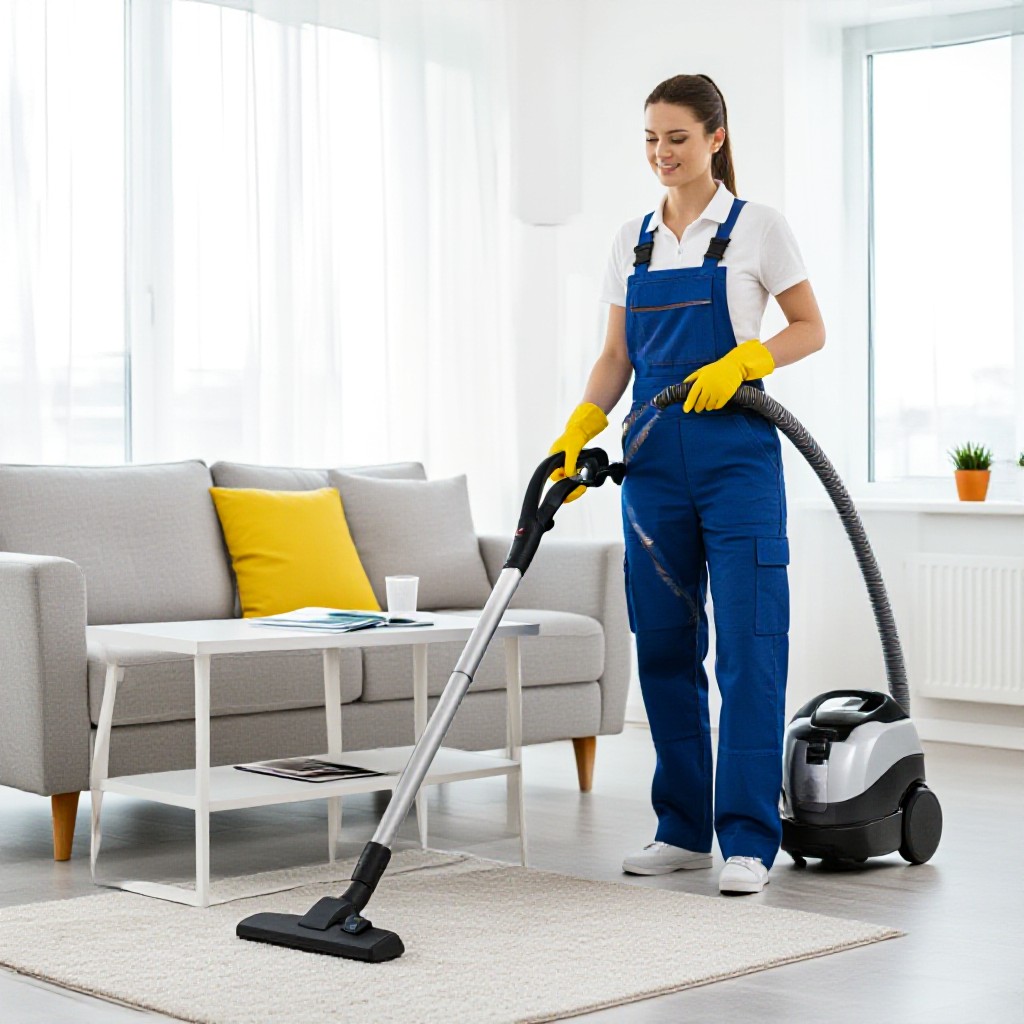
seo for sydney cleaning services
Actionable local SEO and online presence tactics for cleaning businesses that want more local enquiries and higher Google visibility.
Follow this step-by-step roadmap — quick wins you can implement this week and long-term strategies that build a steady stream of local customers.
Why Local SEO Is the Most Valuable Channel for Cleaners
Cleaning services are a local, intent-driven business — people search when they need help now. Local SEO connects you to customers actively searching for cleaners nearby and captures high-converting traffic (calls, booking forms, chats).
Key benefits
- Higher visibility for urgent searches (same-day cleaning, move-out clean)
- More phone calls and booking form submissions
- Better ROI than untargeted social spend
Google Business Profile (GBP): Your Most Important Asset
GBP (formerly Google My Business) often appears at the top of local searches. Optimising it is the fastest way to get visible for cleaning searches.
Step-by-step GBP setup
- Claim or verify your GBP listing (use official documents for verification).
- Set your business name exactly as used in the real world — avoid keyword stuffing.
- Choose the best primary category: e.g., Cleaning Service, House Cleaning Service.
- Add service areas (suburbs you serve) and business hours (include emergency hours if available).
- Upload 8–12 high-quality photos: team, van, before/after, tools, and completed jobs.
- Write a concise business description (150–300 words) including core services and trust signals.
- Enable messaging and set up direct booking if available.
GBP optimisation checklist
- Use a local phone number (avoid call-forward-only numbers).
- Post weekly updates or offers to GBP posts.
- Use GBP services list with pricing ranges (e.g., End-of-lease clean — from $150).
- Answer Q&A promptly and populate common questions proactively.
- Set booking link to your website booking page or phone number.
Quick win: add 6 new photos and a special offer post — you can see ranking improvements in 1–2 weeks for some queries.
Website Essentials That Convert Visitors to Bookings
Mobile-first design
More than half of local searches come from phones. Your booking button should be visible without scrolling.
- Click-to-call CTA on header
- Prominent "Get a Quote" or "Request Booking" button
- Simple contact form (one-step) or live chat
Trust & social proof
Cleaners get bookings because of trust. Show proof early on the page.
- Top banner with 3-star trust signals: license, insured, background-checked staff
- Customer testimonials with suburb names (if customer agrees)
- Before/after gallery with short captions
Domain, hosting & security
Use a clean domain (yourbusiness.com.au). Fast hosting and SSL are non-negotiable — they affect both user trust and search rank.
On‑Page SEO: What to Optimise on Every Page
On‑page SEO helps Google understand what each page is about and which searches it should show up for.
Title tags & meta descriptions
Use one primary keyword per page and include a suburb or service type where relevant.
Headings & content structure
- H1: main page topic (one per page)
- H2s for services, pricing, FAQs
- Use short paragraphs, bullet lists, and CTAs
Content Ideas & Templates That Drive Local Traffic
Create content that answers questions people type into search. Use blog posts, service pages, case studies, and FAQs.
Blog post ideas
- How to prepare for an end-of-lease clean
- 5 tips to remove common carpet stains
- What professional cleaners do that DIY can’t
Service page template
Intro (50–70 words): one-sentence benefit + trust signal.
Section 1: What’s included (bullet list).
Section 2: Pricing or price ranges.
Section 3: Before & after photos + testimonials.
Section 4: CTA: click-to-call and booking link.
FAQ ideas
- How long does an end-of-lease clean take?
- Do you move furniture?
- Do you provide proof of cleaning for bond claims?
- What cleaning products do you use?
Tip: each FAQ can become a small on-page anchor to improve search snippets and capture voice-search queries.
Reviews & Reputation: Turn Customers into Your Best Marketers
Reviews directly influence local rankings and click-through rates. Focus on quantity, recency, and responses.
How to collect more reviews
- Ask at job completion — scripted prompt works best
- Send a short SMS with a direct Google review link
- Incentivise with discounts on future cleans (check platform rules)
- Follow up with customers who started but didn’t finish a review
Responding to reviews
- Reply to all reviews within 72 hours
- For negatives: apologise, offer a remedy, and move conversation offline
- Use short templated replies personalised with customer name and service details
Citations & Local Directories
Consistent business information (NAP — Name, Address, Phone) across directories improves local ranking signals.
- Ensure your name, address, and phone match exactly on GBP, website, Yellow Pages, local business directories, and trade platforms.
- Claim and complete profiles on major directories: TrueLocal, Yellow Pages, Word of Mouth, and local community boards.
- Use a citation-building service for scale if you serve many suburbs.
Note: avoid duplicate listings for the same address — merge or remove duplicates to avoid ranking penalties.
Technical SEO & Page Speed
Fast, well-structured sites rank better and convert more visitors. Focus on these technical basics.
Core Web Vitals
- Largest Contentful Paint (LCP): target <2.5s
- First Input Delay (FID): <100ms
- Cumulative Layout Shift (CLS): <0.1
Speed tips
- Compress images (WebP) and lazy-load offscreen images
- Use a fast host and CDN
- Minify CSS/JS and avoid heavy page builders
Structured data
Add LocalBusiness schema to your site homepage and Service schema to service pages to improve rich result chances.
Quick audit: run your homepage through PageSpeed Insights and implement the top three recommendations first.
Analytics, Goals & Measuring Success
If you can't measure it, you can't improve it. Install tracking and define goal conversions.
Minimum tracking setup
- Google Analytics 4
- Google Search Console (submit sitemap)
- Call tracking or track click-to-call events
- Conversion events: booking form submitted, call initiated, booking page visited
Paid Ads Primer (Google Ads & Local Services)
Paid campaigns can fill gaps while organic SEO takes hold. Use tightly targeted campaigns for high-intent searches.
Quick paid strategy
- Run search ads for high-intent keywords (same-day clean, bond cleaning Sydney).
- Create separate campaigns per service with focused ad copy and landing pages.
- Track cost-per-booking and optimise keywords with high conversion rates.
- Test Local Services Ads (if available) — they show above search results and bring trust signals.
Budget note: start small, measure CPA (cost per acquisition), then scale predictable campaigns.
Monthly SEO Checklist for Cleaning Businesses
- Review GBP insights and post one offer or update
- Respond to new reviews and request more where appropriate
- Publish one blog post answering a local question
- Check core web vitals and implement top speed fixes
- Review analytics conversion trends and update ad budgets
Estimated time: 3–5 hours/month. Prioritise GBP and reviews first — these give the fastest local lift.
Frequently Asked Questions
How long until I see SEO results?
Should I focus on suburbs or broader keywords?
Is it worth paying for ads if I do SEO?
Ready to grow your cleaning business online?
Start with the quick wins: optimise your Google Business Profile, collect fresh reviews, and make your website mobile-first. Small changes often produce immediate bookings.
Use this guide as your roadmap: start with GBP and reviews, then build the website and content machine.
