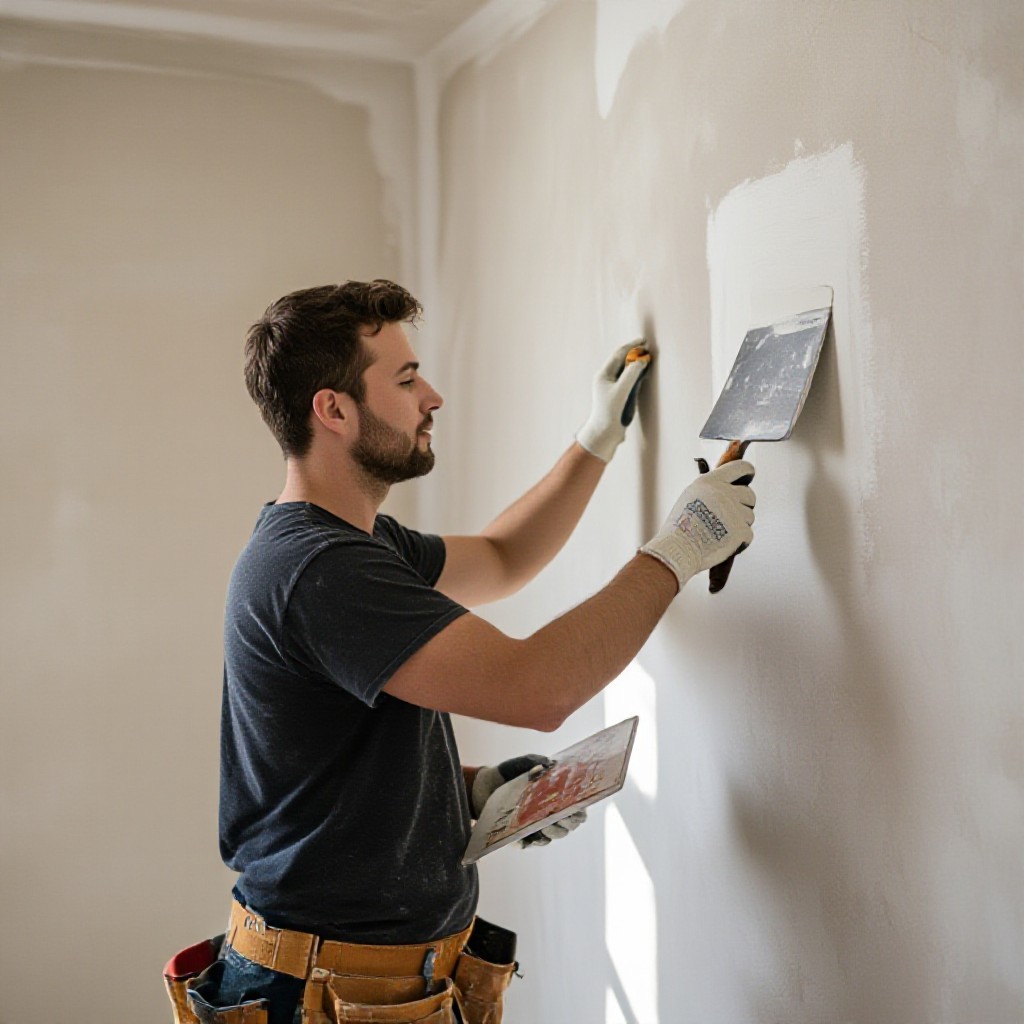
seo for plastering companies
Step-by-step SEO and website optimisations designed specifically for plasterers to get found locally and win more jobs.
This guide gives you clear, actionable steps — from keyword choices and service pages to local listings, schema markup, and simple site speed wins. Follow these tactics and you’ll start appearing for customers searching for plasterers near them.
Well-optimised sites often see 30–80% more local enquiries in months 1–3.
Over 70% of customers search for trades on phones — prioritise mobile UX.
Simple contact flows convert higher than social-only enquiries.
Small monthly investments often pay for themselves in first jobs.
Quick SEO checklist for plasterers
A fast checklist you can run through this afternoon. Complete items 1–6 and you’ll already be more visible.
-
Claim and complete your Google Business Profile (GBP) — hours, service area, photos, services, and plumbing-style categories (use "Plasterer", "Plastering contractor").
-
Publish a focused homepage and 3 service pages (e.g., "Residential Plastering", "Ceiling Repairs", "Render & Texture") with clear CTAs and local keywords.
-
Add LocalBusiness schema (see example further below) and list your opening hours, service area, and contact details in text on the site.
-
Make phone number clickable (tel:) and visible on every page; include a short contact form on the homepage (test it).
-
Optimize images (compress to under ~200KB, meaningful file names, alt text: "plasterer repairing ceiling in [Suburb]").
-
Set up analytics & conversion tracking — Google Analytics + Goals or GA4 conversions so you can track calls and form submissions.
Keywords: what to target and where
Target phrases your customers actually search for. Aim for a mix of high intent + local modifiers.
Primary keywords (high intent)
- plasterer near me
- plastering services [Suburb]
- ceiling repair [Suburb]
- rendering contractor [Suburb]
Secondary keywords (informational)
- how to fix cracked plaster
- cost of plastering a ceiling
- best plaster finish for walls
- what is skim coat plastering
Where to use keywords:
- Page title and H1 (include location for service pages)
- Meta description (concise local value statement)
- First 100 words of the page (naturally)
- Image alt tags and file names
- URL slugs (e.g., /plastering-ceiling-repair-sydney/)
On-page optimisation: make every page count
On-page SEO is about making pages that answer customer intent and are easy for Google to understand.
Service pages that convert
- Clear H1 with targeted keyword + location (e.g., "Ceiling Repair in Brunswick")
- Short intro (2–3 sentences) describing the service and typical customers
- List benefits & outcomes (what customers get)
- Pricing guidance or starting price (if possible)
- Gallery of before/after images with alt text
- Strong CTA: click-to-call and "Get a free quote" button
Homepage optimisation
- H1 should target primary keyword (e.g., "Trusted Plasterers in [City]")
- Prominent phone number and service area text
- Trust elements: reviews, trade accreditations, photos
- Fast links to main service pages and recent projects
Meta description examples
Local SEO & Google Business Profile (GBP)
Local search is where most plastering leads come from. Treat your GBP like your most important profile.
GBP checklist
- Complete every field: services, service area, hours, attributes
- Use high-quality photos: before/after, van, team, tools
- Collect 5-star reviews: ask satisfied customers and link to your GBP review form
- Answer Q&A & messages: respond promptly — Google notices engagement
- Post updates: recent jobs, specials, or COVID-safe processes
- Use the correct category: choose Plasterer / Plastering Contractor
Citations & NAP consistency
Make sure your Name, Address (if public), Phone number are identical across:
- Website footer and contact page
- Google Business Profile
- Industry directories (TrueLocal, YellowPages), local directories, Facebook
Local landing pages
Create 1–3 short landing pages for the suburbs you serve (e.g., "Plasterer in Brunswick East"). Each page should include:
- Unique H1 and meta tags
- Short paragraph about experience in that suburb
- Customer testimonial from someone in that area
- Service list and contact CTA
Technical SEO & site speed
Google rewards fast, secure, mobile-first sites. Here are the highest-impact technical items.
Mobile & Core Web Vitals
- Design mobile-first — big tap targets, readable fonts
- Largest Contentful Paint (LCP): aim <2.5s
- Cumulative Layout Shift (CLS): keep under 0.1
- First Input Delay (FID) / Interaction: keep small
Speed wins (practical fixes)
- Compress images (WebP where possible)
- Use lazy-loading for galleries
- Minify CSS/JS and enable GZIP/Brotli
- Use a fast host and CDN — hosting matters for trades
Security & indexing
- Install SSL (HTTPS)
- Create and submit sitemap.xml to Google Search Console
- Use robots.txt correctly; avoid blocking important pages
- Keep plugins/themes updated
LocalBusiness schema example
Content strategy: what to publish and why
Good content builds trust and ranks for informational searches, which feed commercial queries.
Pages to build
- Homepage — clear value + CTA
- Service pages — separate pages for key services
- Gallery / Projects — before & after with captions and locations
- FAQ page — answers to common customer questions (great for featured snippets)
- Blog or Advice hub — repair tips, cost guides, maintenance
Topic ideas for plasterers
- How much does plastering a ceiling cost in [City]?
- 3 ways to fix a cracked wall — pros & cons
- Before & after: kitchen renovation skim coat
- How long does plastering take?
Content best-practice
- Write for customers first — answer their questions plainly
- Use photos and short videos — visual proof builds trust
- Include clear CTAs on every content page
- Repurpose posts into social content to drive local traffic
Reviews, reputation & trust
Reviews are a top local ranking signal and the #1 trust factor for homeowners hiring trades.
Practical review workflow
- Ask at job completion — keep the ask simple: "Would you mind leaving us a Google review? Here's a direct link."
- Send a follow-up SMS with the review link within 24–48 hours
- Respond to every review — thank positive reviewers and address negatives professionally
- Show reviews on your site — embed your best Google reviews on the homepage
Local link building & partnerships
You don't need thousands of backlinks. Focus on local, relevant links that send customers.
Where to get links
- Local business associations or chambers
- Suppliers you work with (hardware stores, paint suppliers)
- Local renovation blogs or real estate agents
- Project partners on case studies
Tactics that work
- Write short project testimonials and ask partners to link back
- Create a "Local Projects" page and invite partners to share
- Sponsor a local event and get a listing link
Avoid
- Cheap link farms — low value and risk penalties
- Irrelevant directories — only list where customers might look
Measure results: what to track
If you can measure it, you can improve it. Set up simple KPIs.
Key metrics
- Phone calls: track with call tracking or Google Analytics call events
- Form enquiries: conversions in GA4
- GBP impressions & searches: check insights weekly
- Top queries & pages: Search Console shows which keywords bring traffic
- Booking rate / quote conversion: % of enquiries that turn into jobs
30/60/90 day action plan
Days 1–30
- Claim GBP & complete profile
- Publish homepage + 3 key service pages
- Install analytics & submit sitemap
- Ask first 5 customers for reviews
Days 31–60
- Create 2 local landing pages for suburbs
- Optimize images and run PageSpeed improvements
- Start 1 how-to blog post
- Request links from suppliers/partners
Days 61–90
- Test and refine CTAs & phone placement
- Track conversion rates and adjust pages
- Continue review generation & showcase testimonials
- Scale blog topics that get traffic
Want a faster path?
Congero builds polished, mobile-first plasterer websites that include built-in local SEO, schema, hosting, and unlimited updates for a flat monthly fee — launch the site fast and then keep improving it without the headache.
Frequently asked questions
How long until I see results from SEO?
Should I write all the website content myself?
Do I need a blog?
Do I need a physical address?
Ready to get more plastering jobs from local search?
If you want a website built for local search and conversions — fast — Congero can deliver a mobile-first plasterer site with local SEO, schema, hosting and unlimited updates for a simple monthly fee.
Congero builds professional, mobile-responsive websites for trades — live in minutes, updates by text, all-inclusive hosting and local SEO from $49/month. No lock-in contracts.
