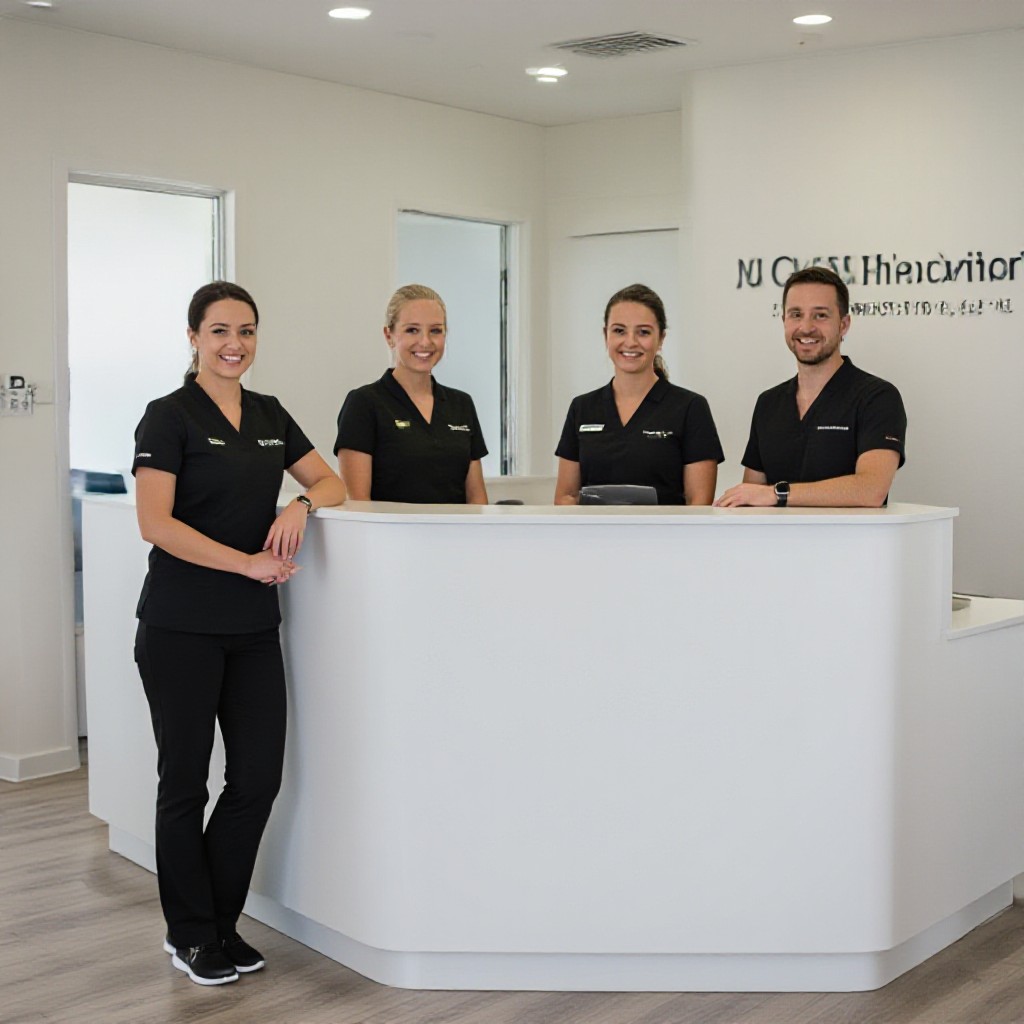
seo for physiotherapist
Step-by-step website and SEO tactics physiotherapists can do this week to attract more local patients
This guide is written for clinic owners and clinicians who want a straightforward checklist: the exact keywords to target, on-page fixes, local SEO steps, content ideas, review strategies and conversion tweaks that actually increase bookings.
Why SEO matters for physiotherapists
Most patients start with a search: "physio near me", "back pain physio", or "post-op rehab [suburb]". If your clinic doesn't appear on page 1 for these queries, you're losing highly-qualified, local patients to competitors.
- Local intent: Searchers are often ready to book — not just browse.
- Organic traffic is cost-effective and compounding over time.
- Good SEO improves trust and perceived expertise — essential in healthcare.
Keyword research — what to target (and how)
Start with a small, high-intent keyword set. Use these to build service pages and blog topics.
Core service keywords
- physiotherapist [suburb]
- physio near me
- sports physio [suburb]
- pelvic floor physio
- post-operative rehabilitation [suburb]
High-intent long-tail keywords (quick wins)
- best physio for back pain in [suburb]
- physio for ACL rehab near me
- women's health physio [suburb]
- home visits physiotherapist [suburb]
How to find more keywords (quick tools)
Use Google Autocomplete, People Also Ask, AnswerThePublic, and free Keyword Planner in Google Ads. Aim for 20–40 keywords split across services, conditions, and suburbs.
On-page SEO checklist — exact changes to make
These on-page fixes typically take a few minutes per page but have outsized impact.
1. Page title
Sports physiotherapist [Suburb] — Clinic NameBack pain physio near me — [Clinic]
2. Meta description
Experienced sports physiotherapist in [Suburb]. Same-week appointments. Call or book online.3. Heading structure (H1, H2, H3)
4. First paragraph & keyword placement
5. Service pages & location pages
6. Images & ALT text
7. Schema & structured data
8. Internal linking
Local SEO — show up when patients search nearby
Local visibility is the highest-impact area for clinics. Follow this checklist and measure weekly improvements.
Google Business Profile (GBP) optimisation
- Claim and verify your GBP.
- Use your exact clinic name, address, phone (NAP) — same format everywhere.
- Choose correct categories: Physiotherapist, Sports Physiotherapist, Women's Health Clinic (if applicable).
- Upload 10+ photos: exterior, interior, team, treatments, equipment.
- Write a clear business description with services and suburbs.
- Enable messaging and check it daily (or route to WhatsApp).
Local citations & listings
Ensure consistent NAP across health directories, Yellow Pages, HealthEngine, HotDoc, Whitecoat and local council listings. Use citation-building services or do 10–20 manual listings.
Local content
Create pages targeted to suburbs: "Physio in [Suburb] — same-week appointments". Use local landmarks and suburbs in content to signal relevance.
Local backlinks
Get links from local partners: gyms, GPs, sports clubs and local news. Sponsor events or write guest posts for local outlets.
- Claim/verify GBP and add 10 photos.
- Confirm NAP on your website footer and directory listings.
- Publish one suburb-targeted landing page.
Content strategy — topics that attract patients
Patients search for symptoms and solutions. Your content should answer their questions and lead them to book.
Blog & FAQ ideas
- How to treat acute lower back pain at home (and when to see a physio)
- What to expect at your first physiotherapy appointment
- ACL rehab timeline: weeks 1–12 explained
- Pregnancy pelvic pain — safe exercises and physio options
Content format & structure
Write 800–1,500 word posts for high-value topics. Use headings, short paragraphs, bullet lists, images of exercises, and at least one local keyword.
Video & exercise libraries
Short videos of home exercises increase engagement and time-on-page. Host on YouTube (embed on site) to gain search visibility.
Content calendar
Publish 1 blog/month initially, focusing on 6–12 cornerstone topics chosen from your keyword list.
Reviews & trust signals — convert searches into bookings
Online reviews are a major ranking and conversion factor for local health businesses.
Getting more Google reviews
- Ask at the end of a great appointment — make it personal.
- Send a one-click review link via SMS or email (template below).
- Respond to all reviews — thank positive reviewers and resolve issues publicly.
Hi [Name], thanks for visiting [Clinic]. If you have 30s, could you leave a Google review? [short link]
Trust signals to add on site
- Practitioner bios with credentials and photos
- Before/after or outcomes case studies (anonymised)
- Memberships (APA, AHPRA) and insurer recognitions
Conversion optimisation — turn visitors into patients
Small UX changes can produce big jumps in bookings.
Make it easy to book
- Show a prominent "Book online" button in the header.
- Add click-to-call for mobile users.
- Pre-fill short booking forms with phone & name where possible.
Optimize your contact page
- Embed Google Map and directions.
- Show opening hours, parking info and public transport options.
Use clear CTAs
Make CTAs specific: "Book initial assessment", "Arrange telehealth consult", "Request appointment for ACL rehab". One-click actions convert better than generic "Contact us".
Trust before booking
Show practitioner photos, quick FAQ about fees and private insurance, and recent reviews on the booking page to reduce friction.
Technical SEO — speed, mobile & structure
These are basic technical checks. Fixing them prevents ranking losses and improves user experience.
Mobile-first
Ensure the site looks and works on mobile. Large buttons, readable fonts, and fast image loading are essential.
Page speed
Target under 3s on mobile. Compress images (webp), enable browser caching and use CDN. Test with Google PageSpeed Insights and GTmetrix.
HTTPS & security
Always use HTTPS. Ensure forms submit securely and have an up-to-date SSL certificate.
Sitemap & robots
Have an XML sitemap and a robots.txt file. Submit sitemap to Google Search Console and Bing Webmaster Tools.
Tracking & KPIs — what to measure
Without tracking you can't prove ROI. Set up these basic measurements.
- Organic sessions and keyword rankings (monthly)
- Phone call tracking and call sources
- Booking conversions (online bookings & contact form submissions)
- Google Business Profile views & direction requests
Set up (quick list)
- Install Google Analytics 4 and link to Google Search Console.
- Enable event tracking for booking button clicks and form submissions.
- Use a dedicated phone number for online ads and tracking if running campaigns.
Common mistakes physiotherapy clinics make
- Not optimising for local search and relying on organic national keywords.
- Having poor GBP listings or inconsistent NAP across directories.
- Overly long pages without clear CTAs — patients don’t want to hunt for booking.
- Ignoring reviews and not responding to feedback.
Getting started — 30/60/90 day action plan
First 30 days
- Claim and optimise GBP
- Fix titles & meta on 3 priority pages
- Publish one suburb landing page
Days 31–60
- Start monthly blog (pillar topic)
- Set up analytics & track conversions
- Request 10 reviews from recent patients
Days 61–90
- Build exercise video library
- Acquire 3 local backlinks
- Run a speed & mobile UX audit
Frequently asked questions
How long until I see SEO results?
Do I need a blog to rank?
How many reviews do I need?
Ready to get more local patients?
If you want a fast, SEO-ready site plus ongoing updates and local optimisation, Congero builds and manages clinic websites for a flat monthly fee — includes domain, hosting, GBP setup and unlimited updates via text.
All sites are mobile-first, include local SEO setup and come with month-to-month terms. Get started with a free demo and no credit card required.