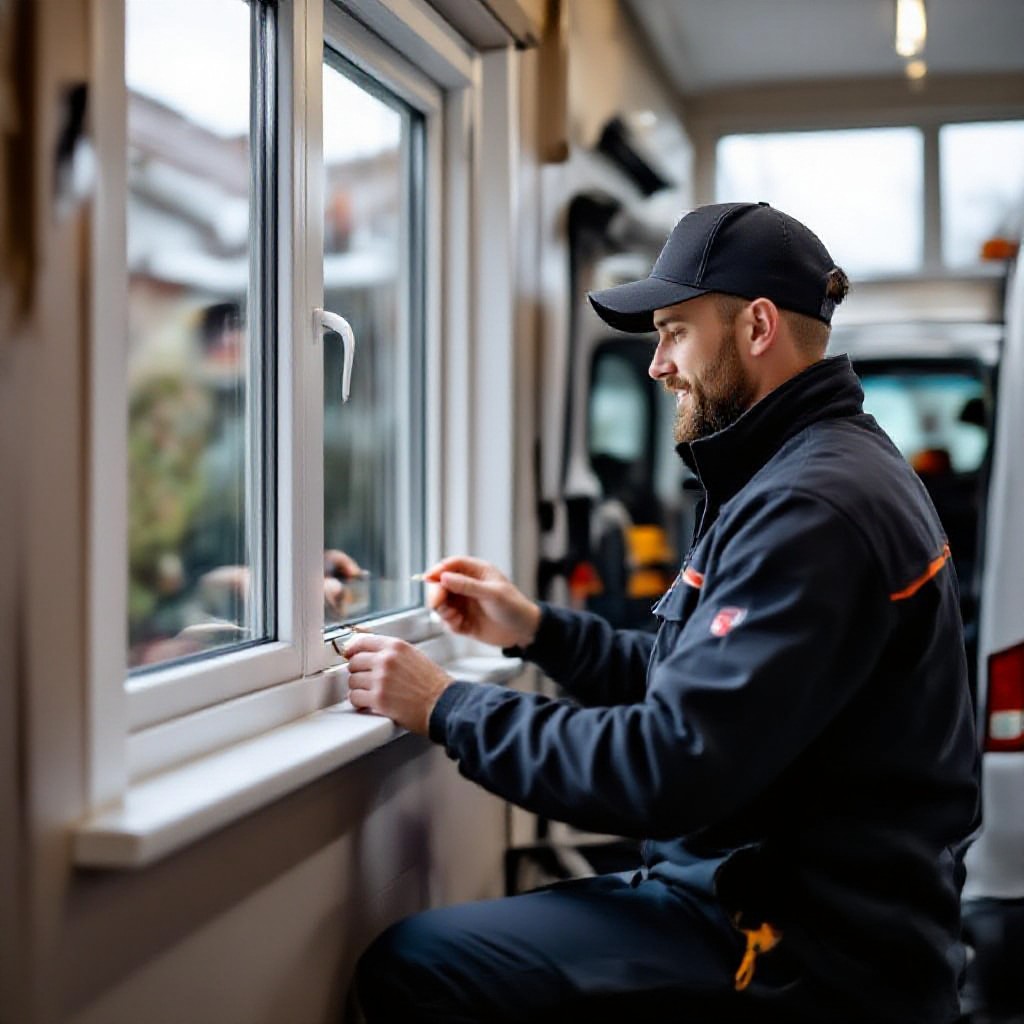
seo for double glazing
How double glazing businesses can get more local leads with practical SEO and online marketing
Step-by-step advice for installers and suppliers: keyword research, on-page SEO, local optimisation, content ideas, paid ads, and measurable actions you can implement this week.
Quick start checklist — implement in a week
- Claim & verify Google Business Profile
- Create or optimise a "double glazing" service page for each area you serve
- Add schema LocalBusiness on your homepage
- Publish one case study (before/after + photos)
- Install Google Analytics + set goals for phone clicks and contact form submits
These five small wins will make you more visible in local searches and start producing measurable leads fast.
Keyword research for double glazing
Keywords are the foundation. Your job is to match the words customers use when they need double glazing — both informational and commercial intent.
Core commercial keywords
These users are ready to buy or request a quote. Build pages targeting them:
- "double glazing [city]"
- "double glazed windows [suburb]"
- "double glazing installers near me"
- "secondary glazing for period homes"
Informational keywords (use for blog & FAQ)
These attract research-stage customers and can be used to capture long-tail traffic:
- "benefits of double glazing"
- "double glazing vs secondary glazing"
- "how much does double glazing cost"
- "does double glazing reduce noise"
Actionable keyword research process (30–60 minutes)
- Open Google Keyword Planner, Ahrefs, Semrush or free tools (AnswerThePublic, Google Search Console).
- Enter core terms: "double glazing", "double glazed windows", "secondary glazing". Filter by location and intent.
- Find 10 commercial keywords and 10 informational long-tail phrases with reasonable volume and low–medium difficulty.
- Map each commercial keyword to a page (service page or area page). Map informational keywords to blog posts or FAQ pages.
- Record target keywords and search intent in a simple spreadsheet.
On-page SEO & templates
Make it simple for Google and customers to understand what you do and where you operate. Each important keyword needs its own dedicated page.
Page types to create
- Homepage (service overview + service area)
- Primary service page: "Double glazing installation"
- Area pages: "Double glazing [suburb/city]"
- Product or system pages: "UPVC double glazed windows", "secondary glazing kits"
- Case studies & gallery pages
- FAQ & blog posts for informational queries
Title & meta templates (examples)
Service page (commercial):
Title: Double Glazing Installation in [Suburb] — [Brand Name]
Meta: Need double glazed windows in [Suburb]? Fast installations, WERS-rated glass, and finance options. Free quote — call [phone].
Informational post:
Title: Does Double Glazing Reduce Noise? Real Results & Examples
Meta: Learn how double glazing improves sound insulation and which glass types work best for busy roads. Free guide + case photos.
On-page checklist (per page)
- One primary keyword (and 2–4 related phrases)
- H1 includes the primary keyword exactly once
- Title tag ~50–60 characters with keyword near start
- Meta description 120–155 characters with a clear CTA
- At least 600–1,200 words for business pages (longer for competitive queries)
- Image alt text describing product & location (e.g., "double glazed bay window Sydney")
- Internal links to related pages and a clear contact CTA (phone & form)
- Schema: LocalBusiness or Service schema where appropriate
Local SEO & Google Business Profile
Local search drives most glazing enquiries. Optimise everywhere customers look.
Google Business Profile (GBP) — must-do
- Claim & verify your listing
- Use exact business name and consistent NAP (name, address, phone)
- Choose categories: "Window installation service", "Glaziers"
- Upload high-quality photos (before/after, team, vans)
- Post regular updates & offers and respond to all reviews
Local pages & citations
For each service area create an optimised area page and ensure consistent citations:
- Area pages: unique content, local images, reviews from that area
- Top citation sites: Yellow Pages, TrueLocal, Hotfrog, local council directories
- Ensure NAP consistency across all listings
Reviews — the single biggest local signal
How to collect and use reviews:
- Ask every satisfied customer for a Google review (link via SMS/email)
- Respond promptly and personally to every review
- Feature best reviews on service & area pages
Technical SEO: speed, mobile & structure
Technical issues kill rankings and conversions. Fix these first.
Mobile-first
Ensure site is fully responsive. Buttons and phone links must be tap-friendly.
Speed
Target 2.5s or faster on mobile. Compress images, use modern formats (WebP), lazy-load galleries, and use a CDN.
HTTPS & security
SSL must be installed site-wide. Keep software and plugins updated.
Technical checklist
- Install SSL and redirect HTTP to HTTPS
- Use descriptive, short URLs: /double-glazing-sydney/
- Add XML sitemap and submit to Google Search Console
- Fix crawl errors and remove duplicate content
- Implement structured data: LocalBusiness, Service, Product, Review where applicable
- Ensure quick server response (TTFB) and enable caching
Content strategy that turns visitors into calls
Great content builds trust and supports SEO. Focus on formats customers trust for trades: case studies, pricing guides, galleries, and FAQs.
Case studies
Before/after photos, problem, solution, and outcome (energy savings, noise reduction).
Include metrics where possible (R-values, estimated energy bill savings).
Cost & financing pages
Be transparent: example pricing ranges, financing options, and free-quote CTA.
Guides & comparisons
"Double glazing vs secondary glazing", "Best glass for coastal homes", etc. Use internal links to services.
Content calendar (first 3 months)
- Week 1: Publish 1 main service page + 2 area pages
- Week 3: Publish a case study with before/after photos
- Week 5: Publish "How much does double glazing cost" guide
- Week 8: Publish "Double glazing vs secondary glazing" comparison
- Ongoing: 1 monthly blog answering common customer questions
Reviews, reputation & local link building
Trust signals convert leads. Combine reviews with local links to boost both visibility and credibility.
Review strategy
- Make review link obvious on invoices, emails, and SMS
- Incentivise feedback (not reviews) with a follow-up to happy customers
- Display snippets on site (schema-rich snippets for stars)
Local link opportunities
- Local builders' associations and trade directories
- Suppliers: co-marketing case studies (they often link back)
- Local home improvement blogs & community pages
Outreach template (email)
Hi [Name],
We recently completed a double glazing install at [address/area] and prepared a short case study we think your readers would enjoy. Could we send you the photos and details? We'd be happy to link back to your site too.
Thanks, [Your Name] — [Business Name] — [phone]
Paid ads: when and how to use them
Paid ads accelerate lead flow while SEO gains traction. Use search ads + local service ads for immediate visibility.
Google Search Ads
Target commercial keywords like "double glazing near me" or "double glazed windows quote". Use location bid adjustments and call-only ads during business hours.
Budget & bidding
Start with $20–50/day in test markets. Track cost per lead and pause low-performing keywords. Prioritise high-intent terms even if CPC is higher.
Landing page best practices for ads
- Dedicated landing page matching ad message
- Prominent phone number and click-to-call button
- Clear CTA: "Book free measure & quote"
- Short form (name, phone, suburb) — keep conversion friction low
Measure results & optimise conversions
If you can't measure it, you can't improve it. Track calls, forms, and on-site behaviour.
Essential tracking setup
- Google Analytics 4 + Google Tag Manager
- Call tracking (track click-to-call & call tracking numbers)
- Conversion actions: phone calls, contact form submits, request-a-quote clicks
- Set up UTM parameters for paid campaigns
Conversion rate optimisation tips
- Prominent local proof: reviews, badges, and before/after photos above the fold
- Single-column mobile layout with big CTA buttons
- A/B test headlines and CTAs on landing pages
Common SEO mistakes double glazing businesses make
- Relying on a single homepage — no dedicated service or area pages
- Thin content with no local signal (no mention of suburbs or service areas)
- Missing call tracking or not tracking phone calls
- Ignoring Google Business Profile and review management
- Slow mobile pages and heavy image files in galleries
Getting started: a 90-day plan
- Week 1: Claim GBP, verify NAP, install Analytics, and create 1 service page + 1 area page.
- Week 2–4: Publish case study, add schema to homepage, optimise images, and set up call tracking.
- Month 2: Launch 2–4 blog posts answering high-value questions, start request-a-quote promotion.
- Month 3: Begin targeted Google Ads for top commercial keywords; track CPL and scale what works.
- Ongoing: Request reviews after each job, publish monthly content, and request local links from suppliers/partners.
Frequently asked questions
How long until SEO starts to generate leads?
Should I do paid ads and SEO at the same time?
What content converts best for double glazing?
Do I need a blog?
Start getting more local leads from your website
If you want a professional, mobile-first website with local SEO built in, plus fast updates via text message, Congero can get you live and visible quickly — no technical hassle.
No lock-in contracts. Domain, hosting, SSL and unlimited updates included.
