modern website design
Trends, Principles & Best Practices for 2025
Stay ahead of the curve with our comprehensive guide to the latest modern design techniques—responsive layouts, microinteractions, performance optimization, and more.
DOWNLOAD THE GUIDE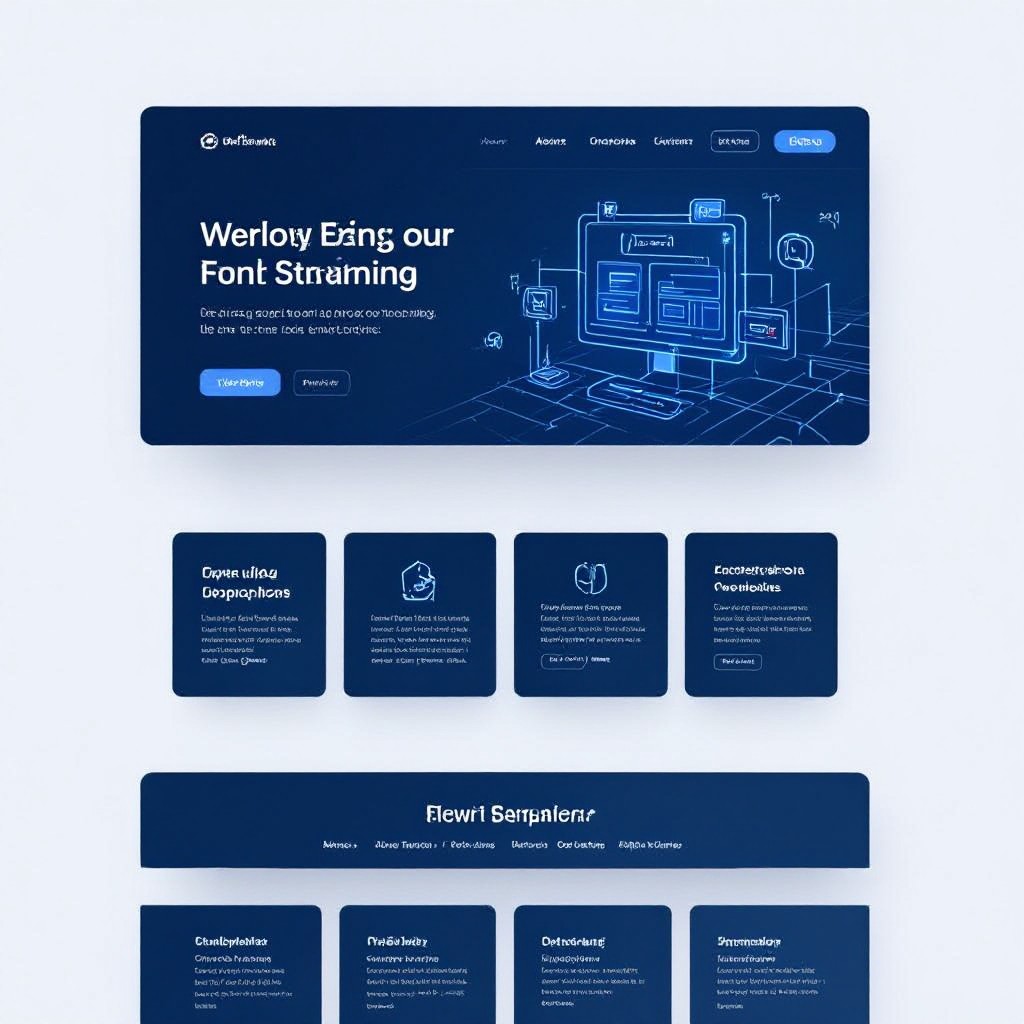
What Is Modern Website Design?
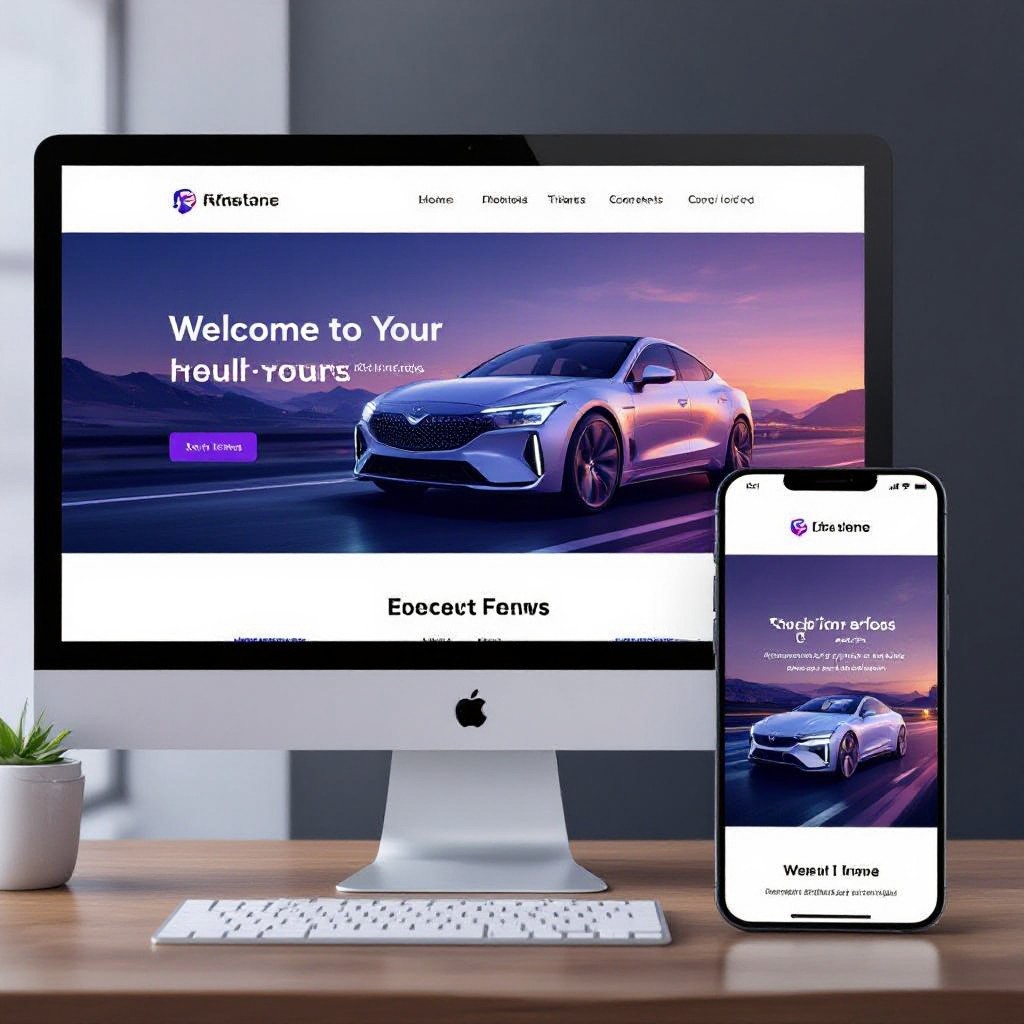
Modern website design combines minimalist aesthetics, intuitive navigation, and cutting-edge technology to deliver exceptional user experiences across every device. It emphasizes clean layouts, performance, and accessibility while leveraging the latest visual trends—dark mode, microinteractions, and bold typography—to engage visitors and drive conversions.
- Mobile-first, responsive layouts
- Fast load times & optimized assets
- Minimalist design & clear hierarchy
- Accessible & inclusive UX
5 Core Principles of Modern Design
These guiding principles ensure your site looks great, performs reliably, and converts visitors into customers.
Mobile-First Approach
Design for small screens first, then scale up. Prioritize touch interactions and simplified layouts.
Performance Optimization
Compress images, lazy-load assets, and minimize code to deliver sub-2-second load times.
Clear Typography
Use readable fonts, proper hierarchy, and generous line spacing to guide readers through your content.
Intentional Use of Color
Choose a limited palette with strategic accents to highlight CTAs and brand identity.
Accessibility & Inclusion
Ensure color contrast, keyboard navigation, and ARIA labels for an inclusive experience.
Essential Design Elements
Combine these elements to build a cohesive, modern look that resonates with your audience.
Grid & Layout
Leverage CSS Grid or Flexbox for balanced, responsive layouts with consistent spacing.
High-Quality Imagery
Use crisp photos and custom illustrations to build trust and showcase real work.
Microinteractions
Subtle animations and hover effects enhance engagement without distraction.
Dark Mode Support
Offer light and dark themes to improve comfort and accessibility in all environments.
Implement Modern Design in 4 Steps
Follow these practical steps to refresh your site with modern aesthetics and functionality.
Audit Your Current Site
Identify outdated design elements, performance issues, and accessibility gaps.
Define Style & Palette
Choose typography, color scheme, and imagery that align with your brand and audience.
Build & Optimize
Implement responsive layouts, compress assets, and integrate microinteractions.
Test & Launch
Perform cross-device testing, implement accessibility audits, then go live.
Powered by Congero’s AI-driven design engine • No coding required
SEO Best Practices for Modern Sites
Design decisions impact search rankings. Apply these SEO tactics in tandem with modern design.
Meta & Headings
Craft concise titles, descriptions, and H1–H6 hierarchy to improve crawlability.
Image ALT & Compression
Use descriptive ALT text and compress under 200 KB to boost speed and accessibility.
Local SEO Signals
Embed NAP details, Google Business Profile, and schema to dominate local search.
Internal Linking
Connect related content and services to distribute authority and reduce bounce rates.
Schema Markup
Apply structured data for breadcrumbs, FAQs, and HowTo to enhance search result snippets.
Frequently Asked Questions
Answers to common queries about modern website design and how Congero can help.
Over half of web traffic is mobile. A responsive layout ensures consistent usability, boosts SEO, and reduces bounce rates.
Proper color contrast, keyboard navigation, semantic HTML, and ARIA labels help all users—including those with disabilities—navigate and consume content.
Small animations—like button hovers or scroll cues—provide feedback, guide users, and make interactions feel more intuitive and engaging.
Absolutely. Congero’s AI-driven engine builds modern, responsive, and SEO-optimized sites in under 60 seconds and applies unlimited updates via simple text messages.
