
local seo for masonry contractors
A practical, step-by-step playbook to rank on Google, get more local enquiries and turn job photos into paying customers.
This guide walks masonry contractors through the exact on-site, off-site and technical tasks that move the needle in local search—no agency fluff, just actions you can implement this week.
Why Local SEO Matters for Masonry Contractors
Most masonry jobs come from nearby homeowners, builders and renovators searching for "bricklayer near me", "repointing [suburb]" or "retaining wall installers [city]". Local SEO helps you appear in those high-intent searches — the ones that convert to calls and booked jobs.
- Visibility where it counts: Appear in Google Maps and the local pack for your service + suburb queries.
- High intent leads: Local searches often convert at much higher rates than general queries.
- Competitive advantage: Most tradespeople still under-invest in SEO — you can win by focusing on a few basics.
Google Business Profile (GBP) — Your #1 Priority
For local trades, an optimised GBP profile often drives more leads than your website for the first 6–12 months. Treat it like your digital shopfront.
Complete every field
- Business name: Use your real business name — avoid keyword stuffing.
- Primary category: Bricklayer, Masonry Contractor, Retaining Wall Contractor (pick the closest).
- Services: Add specific services (repointing, brickwork repairs, stonework, blockwork).
- Hours & phone: Accurate hours and a local phone number.
- Address / service area: If you don't use a public address, set your service areas by suburbs and city.
Photos & Posts that convert
- Project photos: Upload before/after photos with short captions and locations (e.g., "Repointing — Richmond, VIC").
- Team photos: Show your trucks, crew and safety gear — builds trust.
- GBP posts: Post weekly specials, completed projects, or seasonal tips (e.g., "Winter brick maintenance").
- Video: Short 15–30s walkthroughs of a job are highly engaging.
On‑Page SEO for Service Pages
Your website needs targeted pages for each service + suburb combination. These are the pages Google shows for searchers like "stone retaining wall Sydney north shore".
Page structure
- URL: /services/brick-repointing-melbourne
- Title tag: Brick Repointing Melbourne — Licensed Mason
- H1: Brick Repointing in Melbourne
- Meta: Short benefit-led description with suburb and service.
Content that ranks
- Service overview: 200–400 words explaining the service, common problems, and results.
- Local proofs: Mention suburbs, councils or landmarks you work in.
- FAQ section: Add 5–8 customer questions and answers for each service (targets long-tail queries).
Conversion elements
- Prominent CTA: Phone number (tel:), request a quote button, and "view gallery".
- Trust signals: Licences, insurance badges, supplier logos.
- Schema: Service schema and LocalBusiness schema (see Technical SEO).
Portfolio, Photos & Content That Sell
Your best marketing asset is the work you already do. Use project pages to show quality, process and results — these pages rank and build trust.
Project pages — what to include
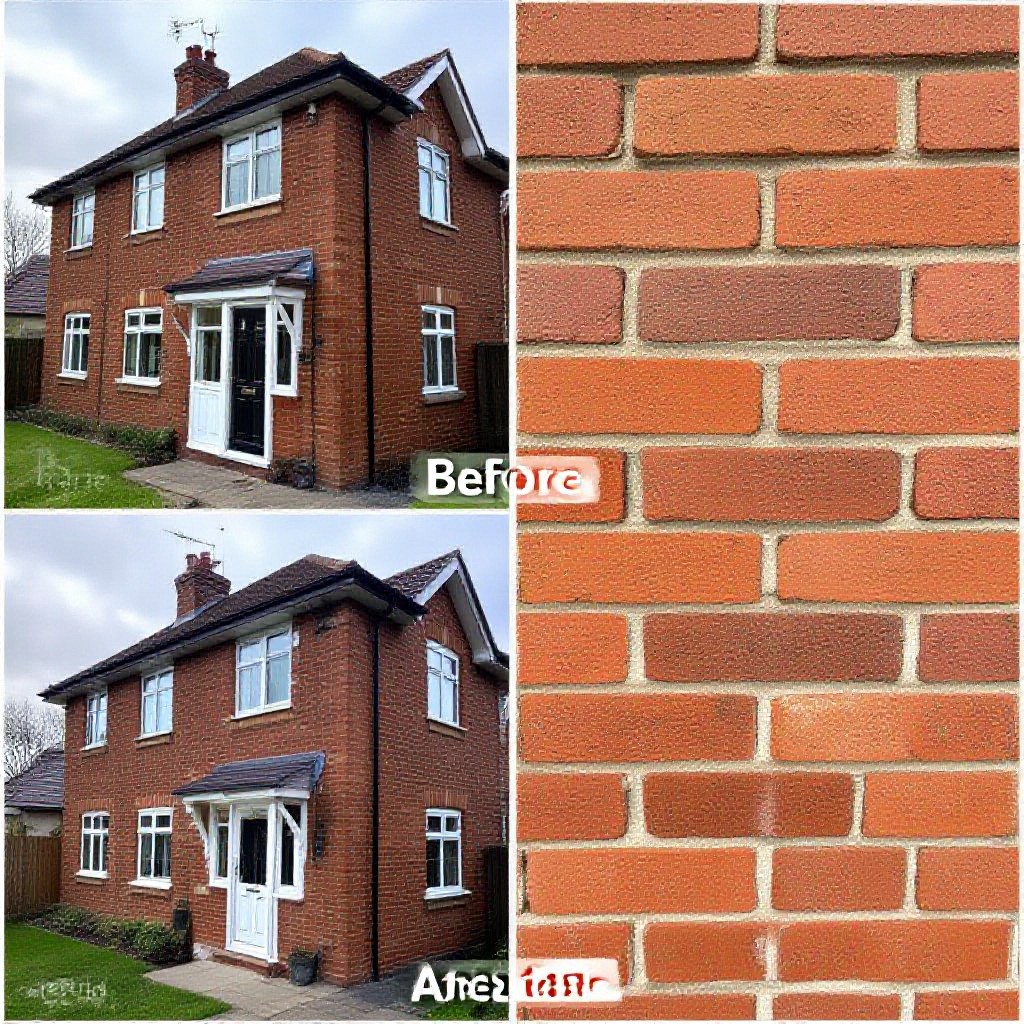
- Before / After photos with captions and location.
- Short case study: Problem, solution, materials and days on site.
- Client quote: One-liner testimonial on the page.
- Service tags: Link to the service page (repointing, heritage brickwork, etc.).
Image best practices
- Use high-resolution images but compress for web (WebP if possible).
- Add descriptive alt text: "repointing brickwork Richmond before after".
- Include a short caption with suburb name — helps local SEO.
- Geotag images when possible (EXIF) for additional local signals.
Reviews & Reputation — the trust engine
Reviews influence rankings and conversion. Aim for consistent five-star reviews from happy clients and make it easy for them to leave feedback.
Simple review funnel
- Finish a job and ask the client for feedback while still onsite (SMS or card).
- Send a short link to your Google review page — make it 1-click to leave feedback.
- Reply to every review (thank you + short reply) to show you care.
Handling negative reviews
- Acknowledge quickly, apologise where appropriate and offer to fix.
- Take detailed disputes offline — avoid arguing publicly.
- After resolving, politely ask the customer to update their review.
Citations, Directories & Local Backlinks
Citations (consistent listings of your NAP) and local backlinks (supplier, builder or council links) are strong local ranking signals.
Must-have citations
- Google Business Profile
- Yellow Pages / TrueLocal
- Local chamber of commerce
- Industry directories (Master Builders, HIA)
Local backlink ideas
- Supplier pages (brick suppliers, mortar suppliers)
- Trade partner backlinks (roofers, concreters)
- Local community or council sponsorships
- Local news coverage of noteworthy projects
Audit tips
- Use tools like Moz Local or BrightLocal to find inconsistent citations.
- Correct any mismatched addresses, abbreviations or phone numbers.
- Prioritise fixing top directories first (Google, Apple Maps, Facebook, Yellow Pages).
Technical SEO & Structured Data
Technical health ensures your site can be crawled and ranked. These are the technical items to check for every masonry website.
Speed & mobile
- Use Google PageSpeed Insights and target 70+ for mobile.
- Compress images, use lazy-loading and serve WebP where possible.
- Ensure mobile navigation clearly shows phone number and services.
Essential technical items
- SSL certificate (HTTPS) — required for trust and rankings.
- XML sitemap submitted to Search Console.
- Robots.txt configured correctly.
- Canonical tags to avoid duplicate pages.
LocalBusiness & Service schema
Add JSON-LD on your homepage with LocalBusiness details: name, address, phone, opening hours, serviceArea. Also add Service schema for key services (repointing, retaining walls, brick repairs).
FAQ schema
Embed FAQ structured data for questions you add on service pages — increases chances of rich results on Google.
Tracking & Measurement — Know What Works
If you can't measure it, you can't improve it. Set up simple tracking to see which pages and listings generate calls and leads.
- Google Analytics 4: Track page views, conversions and user paths.
- Google Search Console: Monitor queries your site appears for and fix errors.
- Call tracking: Use different numbers on paid ads vs organic pages to measure ROI.
- UTM links: Tag links in posts and ads to identify traffic sources.
30‑Day Action Plan for Masonry Contractors
Follow this focused 30-day plan to get traction quickly. Do one small task each day — you’ll build momentum and measurable results.
Week 1 — Foundations
- Claim & verify Google Business Profile.
- Confirm NAP consistency across your website and major directories.
- Create or update 3 key service pages (repointing, repairs, retaining walls).
- Install Google Analytics + Search Console.
Week 2 — Content & Photos
- Publish 2 project case studies with before/after photos.
- Add FAQ sections to each service page (5–8 Qs).
- Compress and optimise all images for web.
- Post 2 GBP posts with project photos.
Week 3 — Reviews & Local Listings
- Ask 5 recent clients for Google reviews (send direct links).
- Audit top 10 directories and fix any NAP issues.
- Claim supplier and trade partner directory pages.
- Reach out for 3 local backlink opportunities (supplier, council, partner).
Week 4 — Technical & Test
- Run PageSpeed Insights and fix biggest issues (images, caching).
- Add LocalBusiness schema to homepage and Service schema to service pages.
- Set up conversion tracking for calls and quotes.
- Review results and plan next 90 days of content.
Quick Checklist — Local SEO for Masonry
- Claim & verify GBP
- Consistent NAP across listings
- Dedicated service pages per suburb
- Project pages with before/after photos
- At least 10 recent Google reviews
- Local backlinks from suppliers/partners
- Mobile-first, fast-loading site
- Analytics + call tracking installed
Why many masonry contractors choose Congero
Congero builds professional, mobile-optimised websites and handles local SEO essentials so you can focus on jobs. We launch sites fast, keep your content up-to-date via simple text messages, and include hosting, domain and local SEO for a flat monthly fee.
Frequently Asked Questions
How long until I see local ranking improvements?
Do I need a full website to rank locally?
What's the easiest way to get more Google reviews?
Can I do this myself or should I hire help?
Ready to get more local masonry jobs?
Get a professional, mobile-first website optimised for local search and supported by a team that understands trades. Live in 60 seconds with Congero — domain, hosting, SSL and local SEO included for one flat monthly price.
All sites include unlimited updates via text, local SEO setup and monthly analytics. Cancel anytime — no lock-in contracts.
