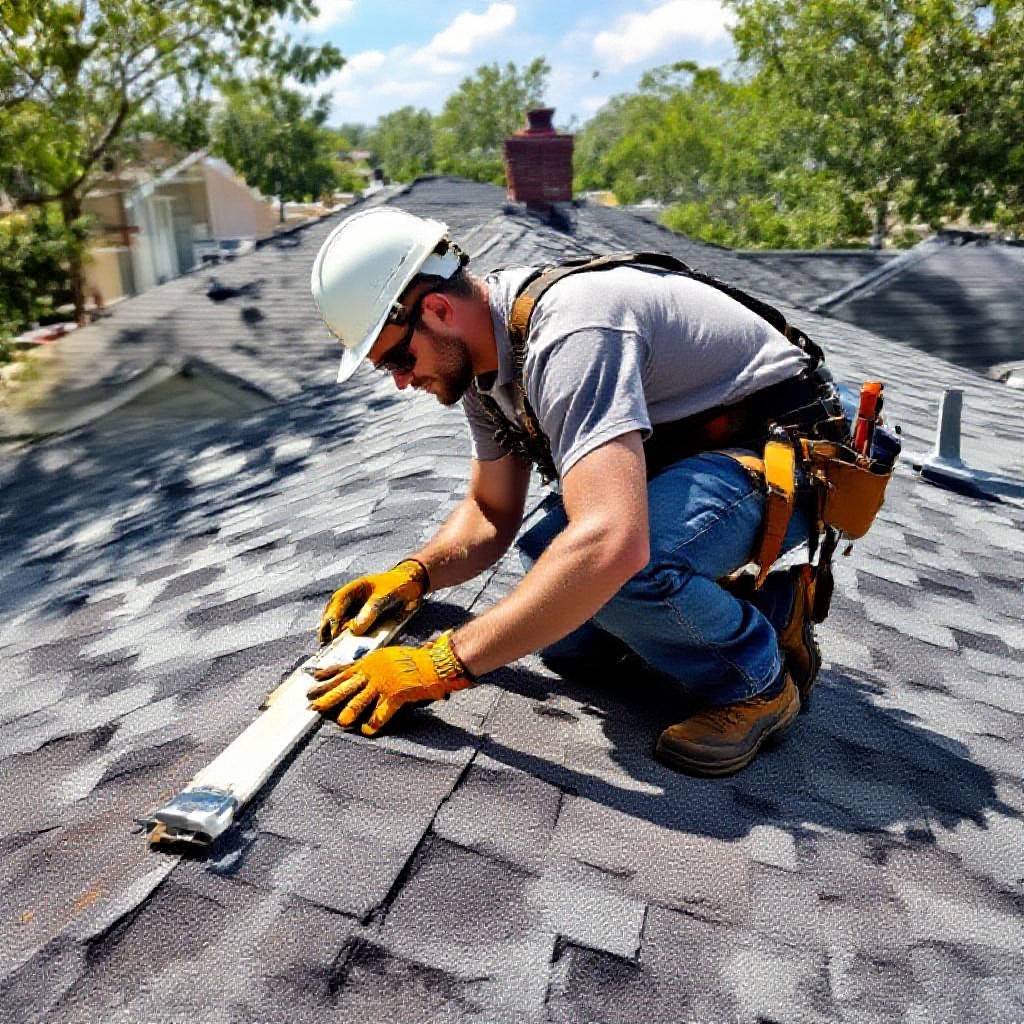
how to build a roofing website
Step-by-step SEO, marketing and conversion tactics roofers can implement today to get more local leads.
This guide focuses on practical actions—what to publish, how to structure pages, which SEO signals matter for "roofers near me", and how to measure results so your website starts paying for itself.
Average leads after SEO improvements
Searches for services are local (e.g. roofers near me)
Make phone tap obvious for mobile
Typical time to publish a new service page
A practical 8-step plan to build a roofing website
Follow these sequential steps. Each step includes specific tasks you can complete in a day or less.
Define your goals & primary customer
Decide what "success" means: more phone calls, roof inspection bookings, or lead forms. Identify your primary customer (homeowners, strata, commercial property managers) and list the 3 most common jobs you want to win.
- Example goals: 20 qualified leads/month, 30% conversion from inspection to job.
- Primary services: roof repairs, re-roofing, tile replacement, metal roof restorations.
Keyword research — target high intent, local phrases
Focus on terms customers use right before they call. Use free tools (Google Autocomplete, Google Ads Keyword Planner, also Ubersuggest or AnswerThePublic) and list keywords with local intent.
- roof leak repair [suburb]
- roof replacement cost [city]
- tile roof repair near me
- emergency roofing contractor
Meta description example: Roof leak? We diagnose and repair leaks quickly in [Suburb]. Free phone quote — licensed & insured. Call now.
Create a clear page structure: one intent per page
Don’t cram multiple services into a single page. Create focused pages for each high-value service and separate location pages for each suburb you serve.
- Homepage — primary service + service area + clear CTA.
- Service pages — roof repair, re-roofing, guttering, roof inspections.
- Location pages — pages for suburbs/cities you serve (optimize title/meta and add local images).
- Project gallery — before & after photos with captions and short case details.
- FAQ & Resources — answers to common roofing questions (great for featured snippets).
Write conversion-focused copy
Use headings, short paragraphs, bullet lists and prominent CTAs. Above the fold (top of each page) show: one-line value proposition, a phone number that’s tap-to-call, and a short form or WhatsApp link.
- Use action verbs: Request a quote, Book inspection, Call now.
- Mention guarantees, licenses, and insurance near the CTA.
- Include a short contact form for PC users and a click-to-call button for mobile.
Optimize images & build a project gallery
High-quality before/after photos convert exceptionally well. Always include captions and alt text that describe the job and location.
- Filename: roof-leak-repair-suburb-before.jpg
- Alt text: "Before - roof leak repair in Suburb — missing ridge caps"
- Serve scaled images, use WebP where possible, lazy-load below-the-fold images.
Tip: Add short project notes ("Diagnosed leak at valley flashing — replaced flashing and re-bedded tiles — 3-year warranty") to build trust.
Add technical SEO basics
Make it easy for Google to crawl and understand your site.
- Title tags & meta descriptions: unique and local for each page (use the keyword + suburb).
- Headings: H1 for the main page topic; H2/H3 for services, process, and FAQs.
- Schema: Add LocalBusiness/HomeAndConstructionBusiness structured data and FAQ schema where applicable.
- Sitemap & robots.txt: submit sitemap to Google Search Console.
{ "@context": "https://schema.org", "@type": "HomeAndConstructionBusiness", "name": "YourCompany", "telephone": "+61-4XX-XXX-XXX", "address": { "addressLocality": "Suburb", "addressRegion": "State" }, "areaServed": ["Suburb","City"] }
Local listings & reviews
Google Business Profile (GBP) and consistent citations are the foundations of local search.
- Claim and fully complete your GBP: categories, cover photo, service areas, business hours.
- Ask satisfied customers for Google reviews—make it simple with a short review link.
- Keep NAP (name, address, phone) identical across your website, GBP, and directories.
- List on local directories and trade association pages for authoritative backlinks.
Measure, iterate, and scale
Track calls, form submissions and onsite behaviour, then improve pages that generate traffic but few leads.
- Set up Google Analytics/GA4 and Google Search Console.
- Use call tracking (or Google forwarding numbers) to track phone conversions by source.
- Run a monthly review: top landing pages, keyword rankings, reviews gained, and goal completions.
- Iterate on underperforming pages—add FAQs, trust signals, or update CTAs.
SEO essentials for roofers (what actually moves the needle)
These are the SEO signals that consistently generate local leads for roofing businesses.
Local relevance
Use location pages, include suburb names naturally in headings and image captions, and add a Google Map embed on contact/location pages.
Trust & authority
Show licences, insurance details, industry accreditations and customer reviews upfront. A visible warranty or workmanship guarantee reduces friction.
Speed & mobile
Serve compressed images, use a good host and CDN, reduce third-party scripts, and test with PageSpeed Insights. Aim for under 3s mobile load.
Local links
Earn links from local suppliers, councils, or trade directories. Sponsor local events or publish case studies that local sites will link to.
Quick on-page checklist
- Unique title & meta for each page
- H1 reflects page intent (e.g., "Roof Leak Repair in [Suburb]")
- Schema: LocalBusiness + Service + FAQ where relevant
- Image alt text with suburb + short description
- Internal links from service pages to contact/quote
- Clear click-to-call and WhatsApp buttons on mobile
Content structure that converts roof repair visitors into customers
A strong page answers the user's question quickly and reduces friction to contact. Structure each service page like this:
1 — Fast Above-the-fold proof
Headline that matches search intent, two-line summary of your service, clear price range or "free inspection" CTA, and phone number. Add trust badges nearby (license, insurance).
2 — What we do & how it works
Short bullets describing the process: Inspect → Quote → Schedule → Repair. Use H2/H3 to make steps scannable.
3 — Social proof
Add 3-5 short review excerpts, an overall rating, and a photo from a local job. Reviews that include suburb names have more local SEO value.
4 — Pricing and options
If possible, show price ranges or typical costs for common jobs. Transparency removes friction and speeds conversions.
5 — Frequently asked questions
Include 6–12 FAQs tailored to the service. Use FAQ schema to increase chances of appearing in rich results.
6 — Clear conversion points
Multiple CTAs: top CTA (phone/whatsapp), sticky call button on mobile, and form near the bottom for desktop users. Label CTAs with benefits, e.g., "Book free inspection".
Local SEO & Google Business Profile
Local SEO is the single most important channel for roofers. Most customers search "roofers near me" or "roof leak [suburb]".
Set up your Google Business Profile
- Choose primary category: "Roofing contractor" or "Home improvement".
- Complete every field: services, service area, business hours, photos, and a short description with keywords and service areas.
- Post updates weekly: job photos, promotions, or completed jobs to show activity.
Get and manage reviews
- Ask customers to review on Google and Facebook. Provide the direct review link.
- Respond to reviews—thank positive reviewers and address issues professionally.
- Encourage short detail-rich reviews: "Replaced broken ridge caps in Suburb — very professional". These help local SEO.
Citations & NAP consistency
Submit your business to trusted local directories (Chamber of Commerce, local trades directories). Keep NAP identical across all listings.
Conversion optimisation: make contacting you effortless
Make contact frictionless
- Phone number in header and as a tap-to-call button on mobile.
- WhatsApp or SMS link for instant enquiries (many local customers prefer messaging).
- Simple form with 3 fields: name, address/suburb, short description — that’s it.
Reduce decision friction
- Show clear guarantees and license numbers near CTAs.
- Use price ranges or fixed starting prices when feasible.
- Add a “what to expect” section for first-time customers (time on site, how long repair takes, payment options).
Sticky CTAs & trust signals
Add a sticky call button on mobile, include trade badges, and show recent project photos with short captions near CTAs. For emergency work, use urgency messaging ('Same-day emergency repairs').
Marketing channels that work for roofers
Combine organic SEO with targeted paid tactics to grow quickly.
Organic/local SEO
Focus on service & location pages, GBP, and review acquisition.
Paid search (Google Ads)
Bid on high-intent keywords like "roof leak repair near me". Use location targeting, call-only campaigns, and ad extensions (call, location, structured snippets).
Retargeting & social
Use Facebook/Meta to retarget visitors with project photos and special offers. Showcase before/after reels on Instagram and Facebook to build trust.
Local ad example
Target: "roof leak repair [Suburb]". Ad message: "Fast Roof Leak Repair in [Suburb] — Free Inspection, Licensed & Insured — Call Now". Use call extension and location targeting within 20km of your service area.
Tracking & analytics: measure what matters
Track conversions so you can double down on what's working and stop wasting ad spend.
Set up goals
- Form submissions (goal/event)
- Phone calls from the website (use event tracking or call-tracking numbers)
- Click-to-WhatsApp or message clicks
- Schedule bookings if you use an online calendar
Monthly KPI dashboard
Create a simple monthly report: website sessions, organic sessions, top landing pages, form leads, and phone leads. Track keyword ranking improvements for priority keywords.
Use data to iterate
If a high-traffic page converts poorly, add stronger CTAs, trust badges, and local social proof. If location pages aren’t ranking, add more localized content and internal links from the homepage and blog.
Frequently asked questions
How long until my roofing website starts getting leads?
Should I show prices on my website?
Is it better to focus on organic SEO or Google Ads?
How do I get more Google reviews?
Ready to build your roofing website?
Use this guide as your roadmap: target local keywords, publish focused service pages, collect reviews, and track conversions. Small, consistent improvements deliver big results.
If you'd rather have a managed option: Congero builds mobile-ready, SEO-optimised websites for tradespeople and can deliver a working site quickly—contact via the demo link above to try a non-committal sample.
