
maps seo for concreting
Get found on Google Maps, win more local jobs, and convert nearby customers looking for concreting services.
For concreting businesses, most customers search "near me" or "driveway concreter near me" and pick a tradesperson from the local map results. Maps SEO (optimising Google Business Profile and local signals) puts your business in that high-impact local pack — where calls, directions and bookings start.
Why Maps SEO matters for concreting businesses
Concreting services are hyper-local: homeowners and builders search for someone who can pour a driveway, slab or footpath within a short drive. When your business ranks in the Google Maps "local pack" you get prime real estate — phone calls, direction requests and website visits from customers ready to hire.
Visibility where customers look first
A high-ranking Google Business Profile (GBP) appears above organic search results on both mobile and desktop. That visibility translates directly to more enquiries — especially for time-sensitive jobs like concrete repairs and urgent slab work.
Trust and credibility
Maps listings show business hours, photos of past work, star ratings and reviews — all the trust signals a homeowner needs before calling. A well-optimised GBP plus consistent reviews makes you the obvious choice.
How Maps SEO works (simple)
- Searchers look for local concreters on Google or Maps
- Google ranks profiles based on relevance, distance and prominence
- Optimising GBP, your website and citations improves ranking signals
- Top-ranked profiles get more calls, direction clicks and booking requests
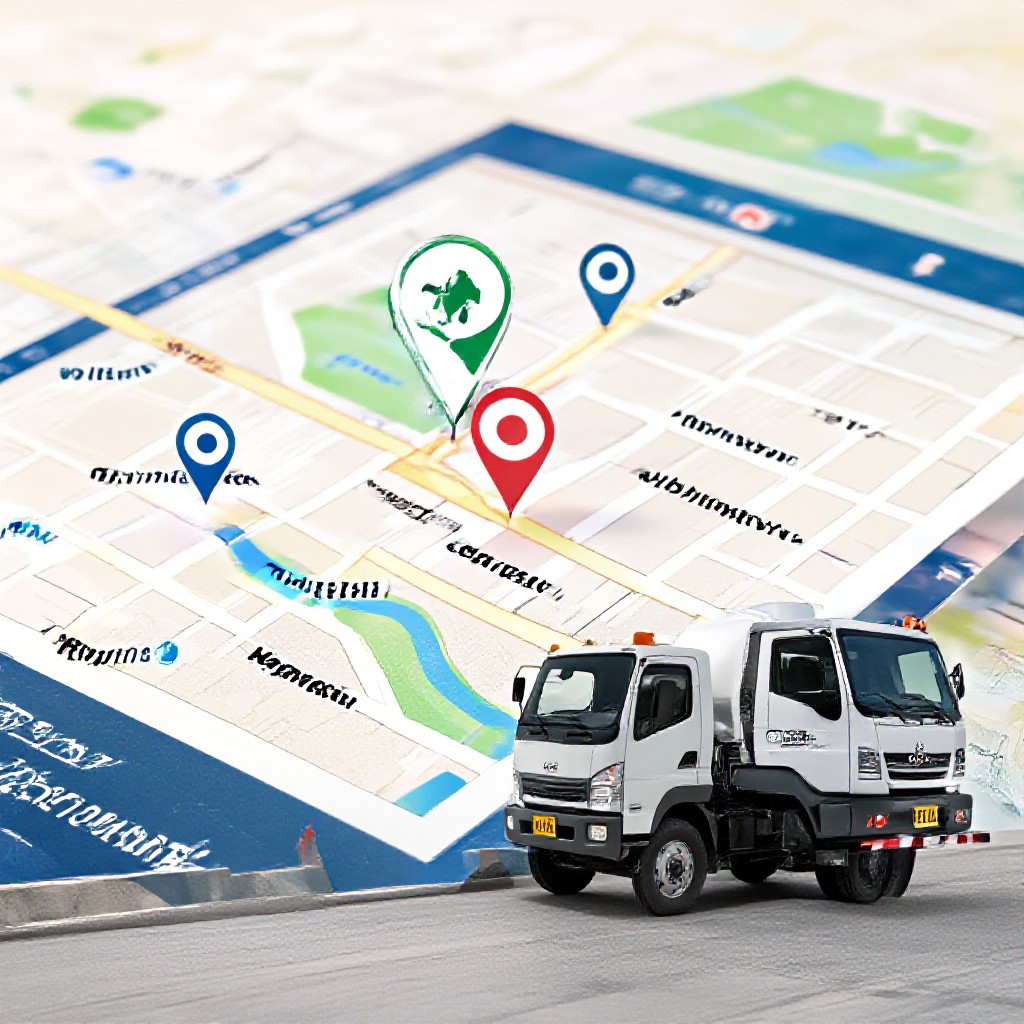
Optimise your Google Business Profile (GBP)
The GBP is the single most important asset for Maps SEO. A complete, optimised profile dramatically increases your chance of appearing in the local pack for concreting searches.
GBP checklist for concreters
- Business name: Use your trading name — don't stuff keywords.
- Primary category: Set to "Concreting contractor" or closest match.
- Additional categories: Add related categories (Driveway contractor, Cement contractor).
- Accurate NAP: Ensure Name, Address, Phone match what’s on your website exactly.
- Business hours & services: List services (driveways, slabs, resurfacing) and service areas (suburbs you serve).
- Photos: Upload before/after job photos, team shots, vehicles and equipment — quality images build trust.
- Attributes & posts: Use attributes (e.g., 'on-site services') and publish regular posts about specials or recent jobs.
On-page SEO & service pages that support Maps rankings
Your website signals feed into Maps SEO. Google looks for local relevance on your website as well as your GBP. Create clear, localised service pages and schema to reinforce your map presence.
Key on-page actions
- Dedicated service pages: Create pages for Driveways, House Slabs, Patios, and Repairs — include suburb-targeted headings (e.g., "Driveways in Mount Waverley").
- Local keyword placement: Use phrases customers search for: concreter near me, driveways concreting, slab repair, exposed aggregate.
- Schema markup: Add LocalBusiness schema with service offerings, opening hours and geo-coordinates.
- Fast mobile pages: Compress images, use modern formats, and aim for fast load times on mobile.
- Clear CTAs: Phone button, "Request a quote", and directions link should be prominent on mobile.
Citations & local listings: consistency wins
Citations are mentions of your business name, address and phone number across the web (directories, trade sites, local councils). Consistent citations strengthen local trust and improve Maps ranking signals.
Citation strategy for concreters
- Start with major directories: Google Maps, Apple Maps, Bing Places, TrueLocal, Yellow Pages, and industry-specific sites.
- Keep NAP consistent: Exact same format across listings (abbreviations, punctuation and phone format).
- Service area pages: Add suburb pages and ensure local directories list the same service areas.
- Monitor and clean up duplicates: Remove or merge old listings to avoid confusion.
Reviews & reputation: your referral engine
Reviews are a key ranking and conversion signal. Local customers read recent reviews before calling a concreter. A steady flow of authentic 4+ star reviews improves both ranking and click-through rates.
Quick review workflow
- Ask for a Google review after every completed job (SMS or email link).
- Provide simple instructions for leaving a review and mention key points customers can add (job type, suburb).
- Respond to reviews — thank positive reviewers and politely resolve any issues.
- Use reviews on your website (testimonials) and social channels.
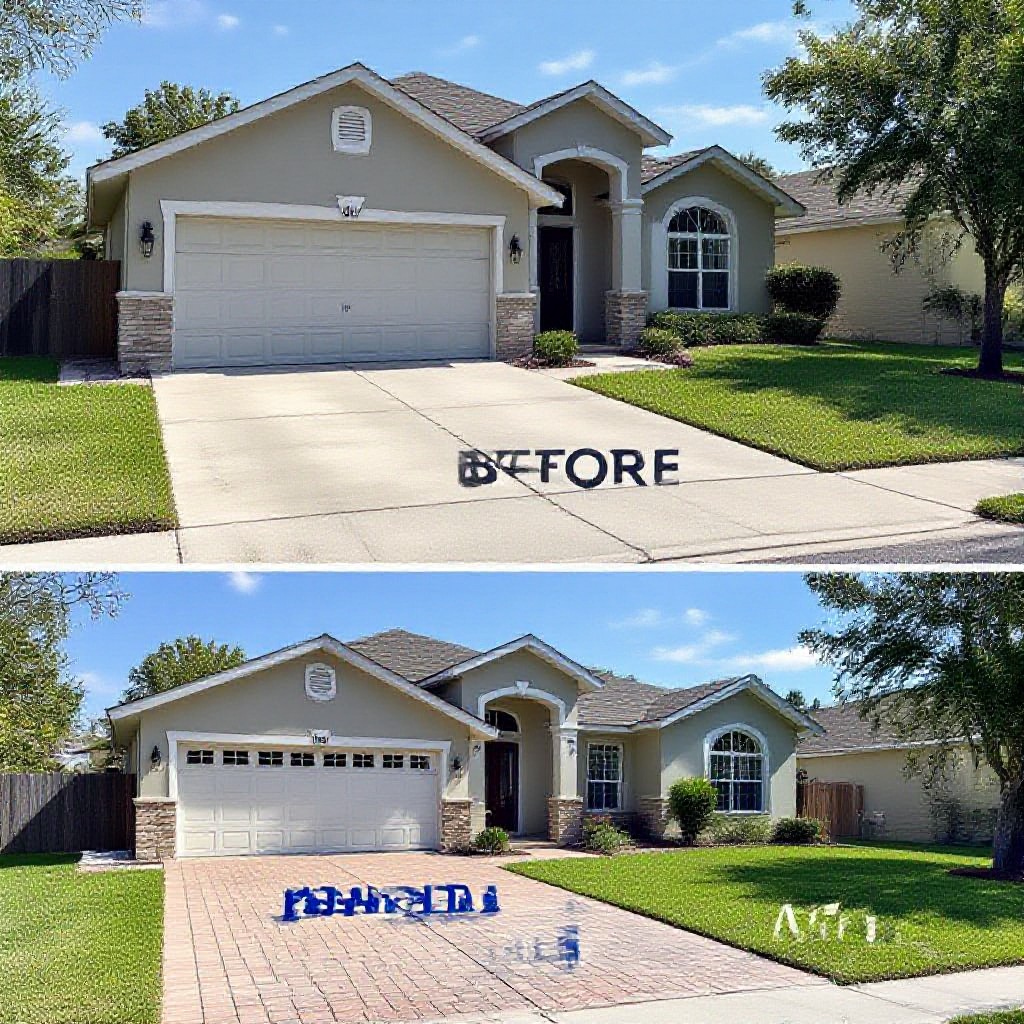
Use photos to sell your workmanship
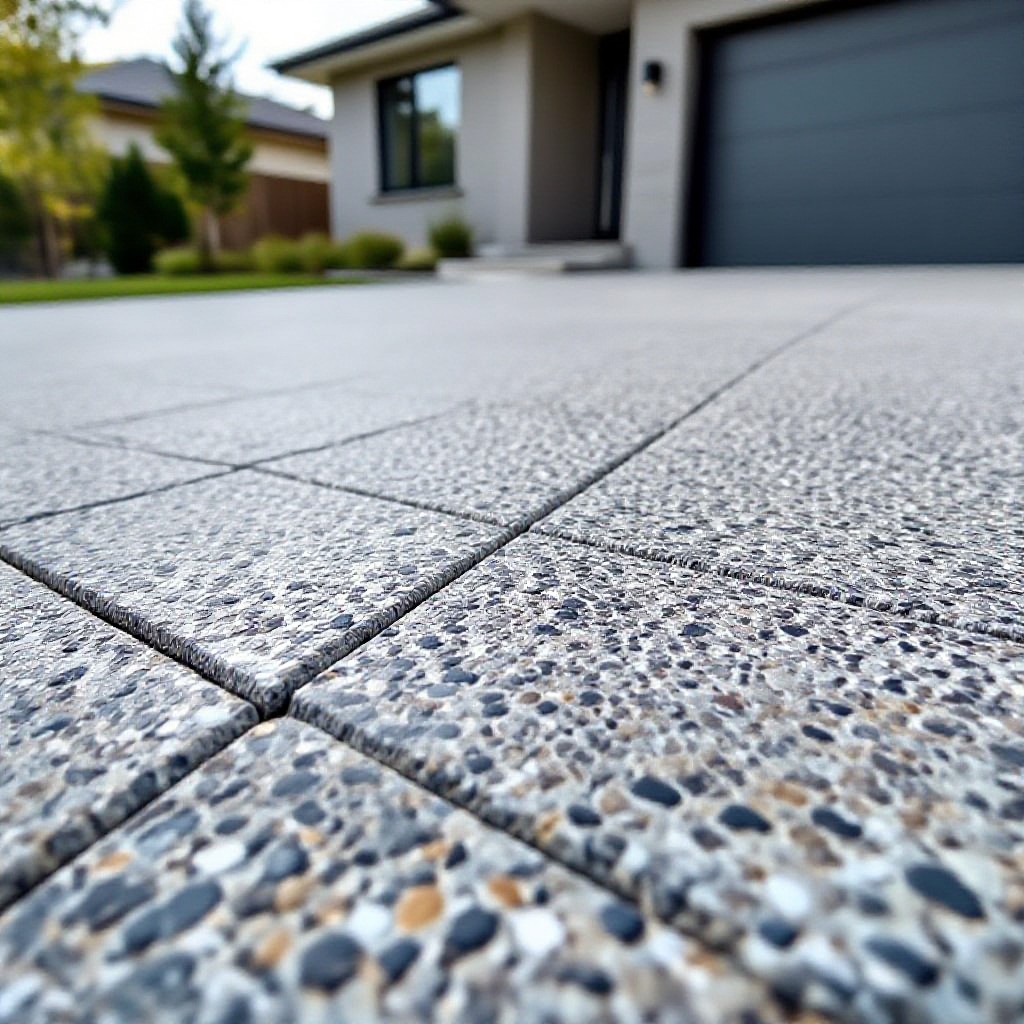
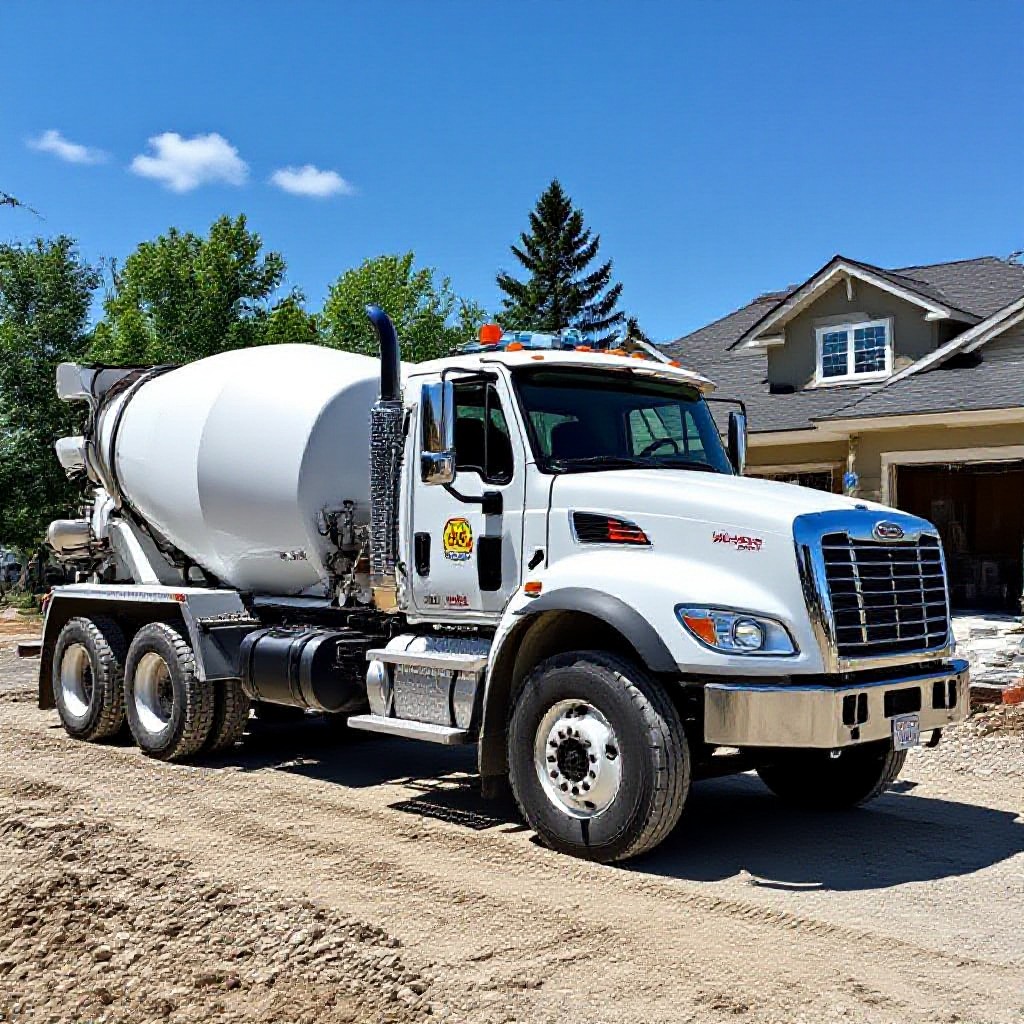
High-quality photos of finished driveways, exposed aggregate work, and slab pours increase trust and click-throughs from Maps. Include captions and dates; Google favours fresh, job-specific images.
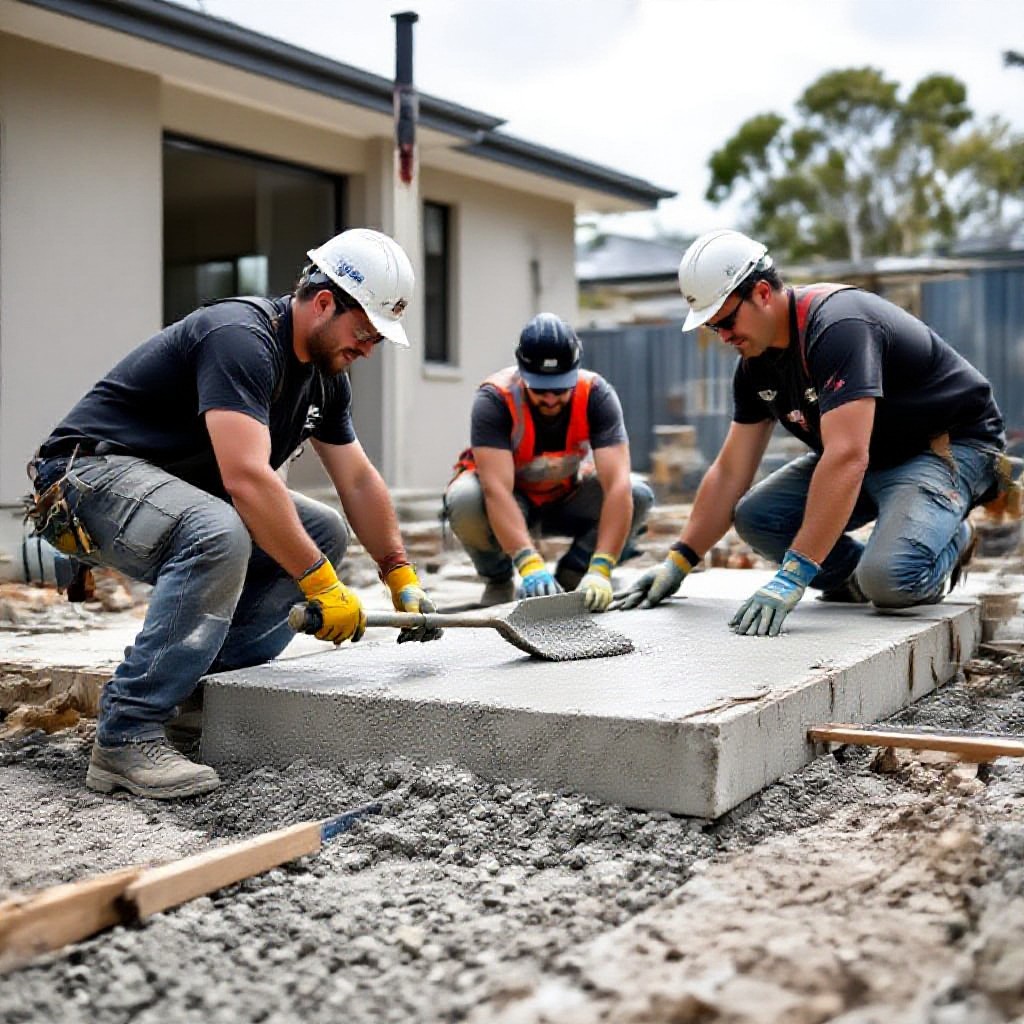
Track results and prove ROI
Measuring impact is straightforward: track phone calls, direction requests, form fills and booked jobs coming from Google Maps and local searches.
Practical tracking tips
- Call tracking: Use a local number for Google that routes to your main line and track calls by source.
- UTM tags: Apply UTM parameters to links in your GBP posts so website traffic from Maps is identifiable in analytics.
- Lead-to-job tracking: Keep a simple spreadsheet recording source, job value and conversion to calculate ROI.
Maps SEO: A simple 6-step plan for concreting businesses
Frequently asked questions
How long before I see results in Google Maps?
Do I need a full website to rank on Maps?
What if I serve multiple suburbs?
Can I manage reviews myself?
Ready to dominate local search for concreting jobs?
Maps SEO turns local searches into real bookings. Whether you're a sole trader or a small concreting crew, prioritising your Google Maps presence will bring more calls, more quotes and more paid jobs.
No technical skills required. We help concreters set up and optimise Maps SEO so you can focus on jobs, not Google listings.
