
free small business web design
How a professional website + strong SEO helps you attract and keep local customers — without technical headaches.
A great website is your 24/7 shopfront. Even if you start with free design tools, combining a clear brand presence with search-optimised pages will grow enquiries, bookings and repeat business. This guide explains practical, low-cost ways to build visibility and keep customers coming back.
Why a Professional Website and SEO Matter for Small Businesses
Customers search first. If your business doesn't appear in local search results, you're losing people who are ready to buy. A professional site builds trust, improves conversion rates, and — when paired with even basic SEO — puts you in front of customers at the moment they need your service.
Trust & Credibility
Professional design makes visitors more likely to call, book, or buy — it reduces friction and increases trust in seconds.
Local Visibility
Local SEO gets you seen in "near me" searches and Google Maps — where many customers find trades and local services first.
Customer Retention
A clear online presence (contact, services, testimonials) makes repeat business and referrals easier to earn.
Practical Ways to Grow Visibility — No Sales Pressure
Optimize for Local Search
- Claim and complete your Google Business Profile (hours, photos, services)
- Use location pages or service pages for each suburb you serve
- Consistent NAP (name, address, phone) across website and directories
Make Pages That Convert
- Clear call-to-action: phone number visible on every page, "Book" or "Get a Quote"
- Service pages with benefits, pricing ranges, and FAQs
- Fast mobile-first design so customers call before tapping away
Content That Helps
- Short blog posts answering common questions (e.g., "How to stop a leaking tap")
- Use headings and keywords naturally — write for customers, not for bots
- Include testimonials and before/after photos
Low-effort Technical Wins
- Enable HTTPS (SSL) — modern browsers and Google expect it
- Compress images and use lazy loading to speed up mobile pages
- Submit sitemap to Google Search Console and Bing Webmaster Tools
How to Get a Professional Website Without the Headache
You can start with free site builders or templates, but many small business owners prefer a managed, all-in-one approach that handles design, hosting, and SEO for a predictable monthly cost. Managed services let you focus on customers while the site and search presence improve in the background.
Note: Managed services vary. Look for clear inclusions (domain, hosting, SSL, updates, basic SEO) and month-to-month terms if you want flexibility.
Examples: Pages That Work for Small Businesses
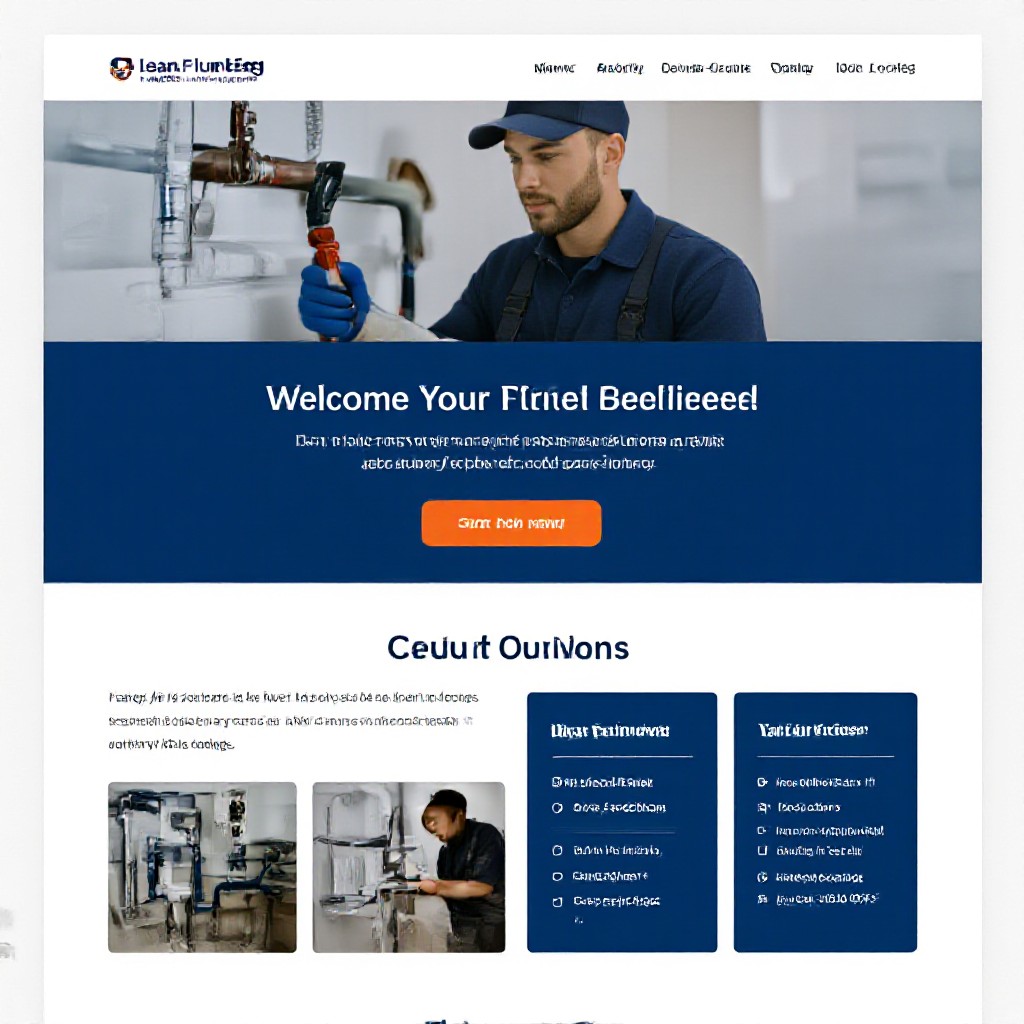
Service Page
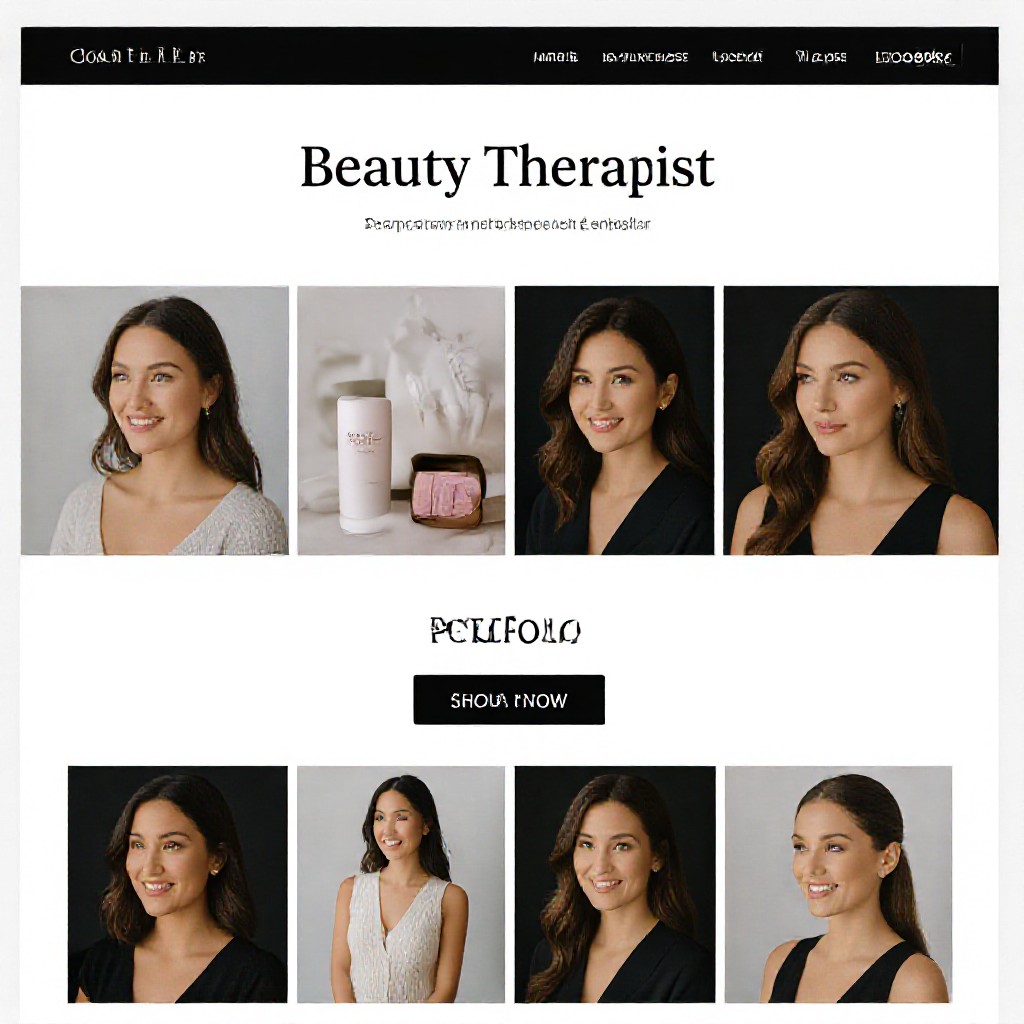
Portfolio / Gallery
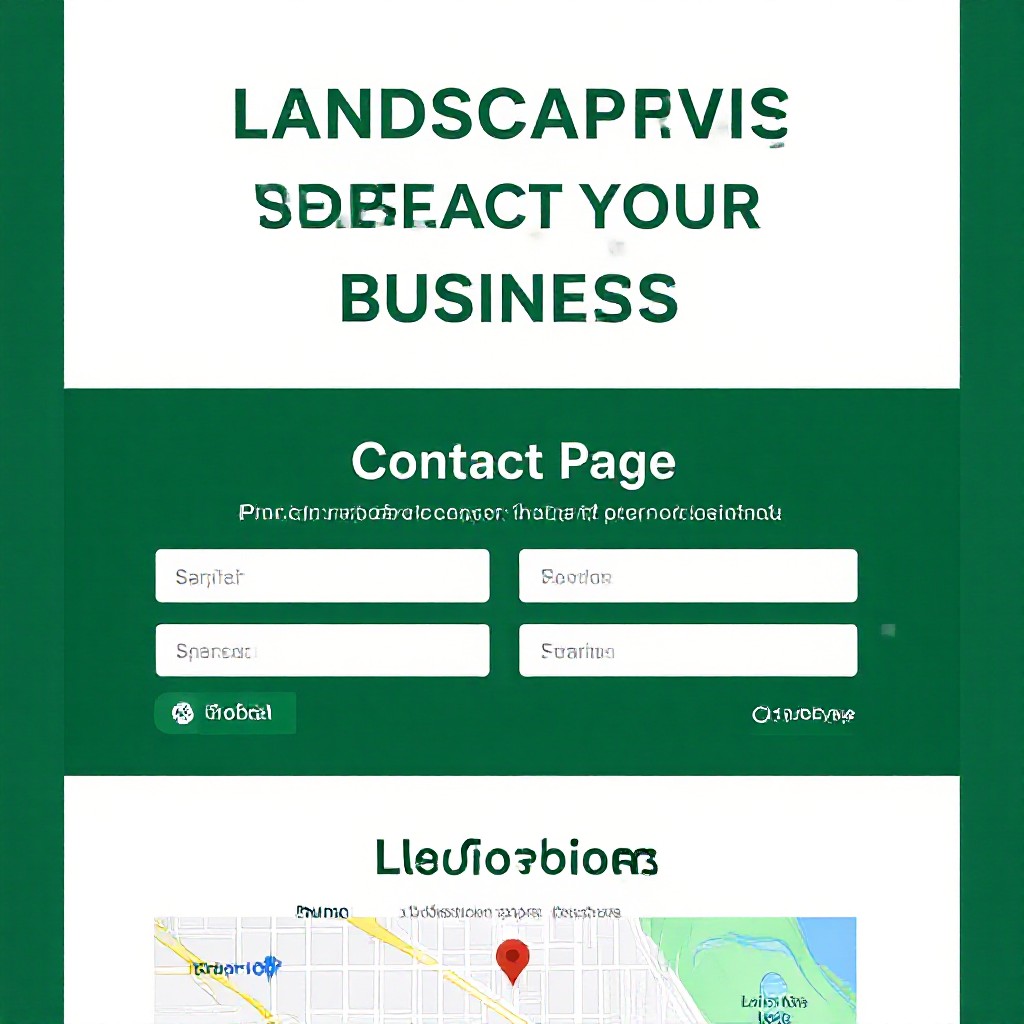
Contact & Local
Free Small Business SEO Checklist (Quick Wins)
- Title tags: Use your main service + suburb (e.g., "Plumber in Richmond — Emergency Plumbing").
- Meta descriptions: Write a short, helpful sentence that encourages clicks.
- Headings: Use H1 once, then H2/H3 for sections like services, pricing, FAQs.
- Schema: Add LocalBusiness schema with address, phone, opening hours.
- Photos: Optimise file sizes and add descriptive alt text for each image.
- Reviews: Display recent reviews and encourage customers to leave feedback on Google.
Who Benefits Most
Trades & Local Services
Retail & Clinics
Freelancers & Solo Owners
What Business Owners Say
Frequently Asked Questions
Is "free" web design good enough for my small business?
How long before I see more calls from Google?
Do I need to pay for SEO separately?
What should be on my homepage?
Ready to improve your online presence?
Start with free tools or choose a managed plan that includes mobile design, domain, hosting and local SEO. The important thing is to get visible and make it easy for customers to contact you.
Tip: If you want a fast, hands-off option, look for providers that offer predictable monthly pricing, local SEO setup, and easy update methods. Congero provides managed small business websites with built-in SEO and unlimited updates — ideal for busy owners who prefer to focus on customers, not code.
